The Storytelling Advantage
The Class of 2012 may have spotted a familiar name when reading stories on animal conservation.
Anne Readel ’12, a director-level attorney at 10x Genomics, describes photography as her “really serious hobby.” It’s a hobby that has led to her work being featured in several high-profile publications including The New York Times and The Guardian.
Despite having a successful career in biotech, Readel has been photographing and writing about Madison wildlife and conservation efforts for the last five years.
“It’s a really great way for me to have a creative outlet that’s different from my main job, and also hopefully impact and help the environment,” she explained.
It was this interest in conservation that first led her onto the path to law school.
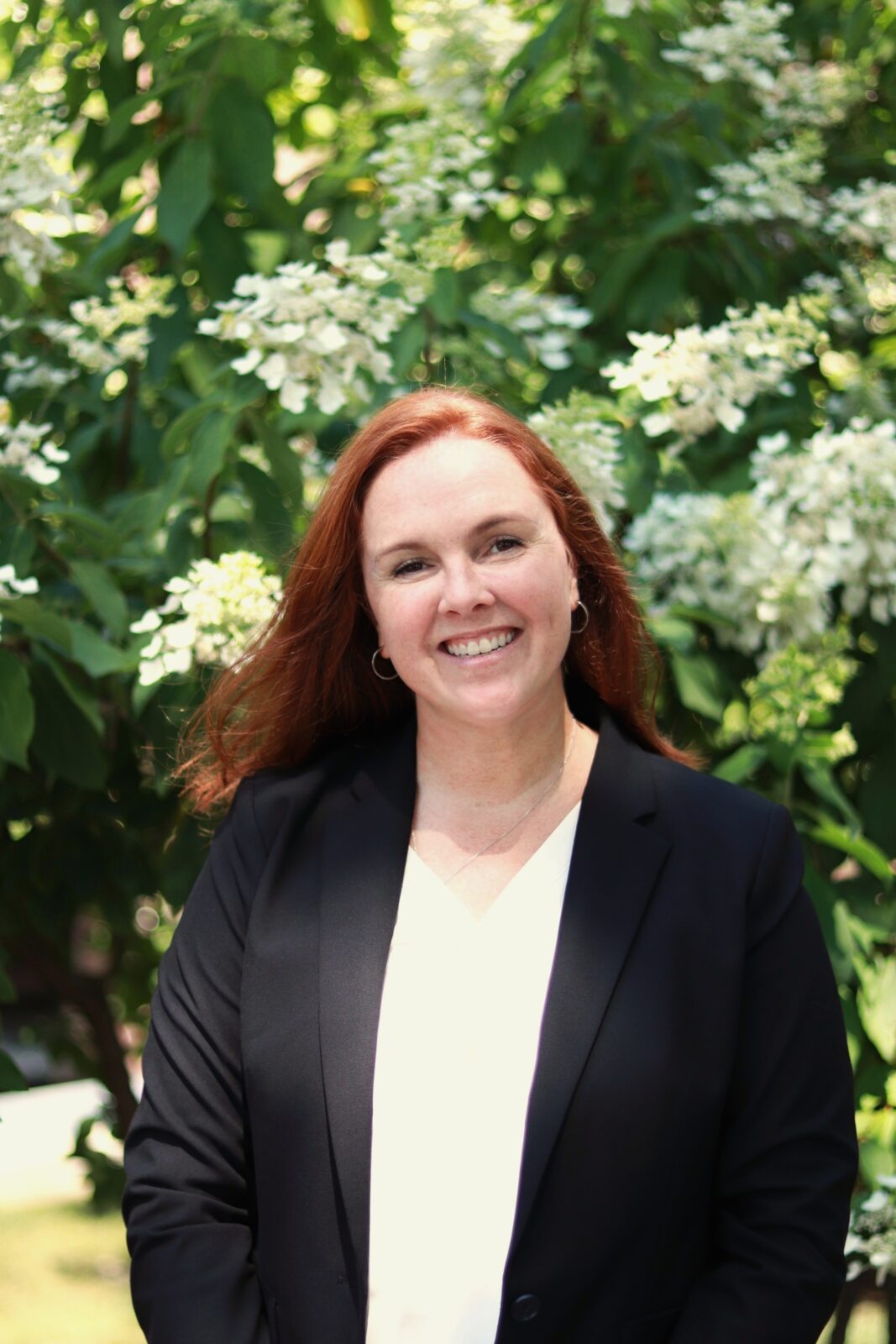
While pursuing a Ph.D. in conservation biology at University of Illinois Urbana-Champaign, she realized she did not want to be a researcher. A fellowship in Washington, D.C., focused on environmental policy introduced her to a supervisor who was also an attorney and encouraged her to consider law school.
Readel applied to University of Wisconsin Law School while finishing her doctorate.
At first, she had her goal set on environmental law, but intellectual property (IP) law classes revealed
another opportunity: leveraging her science background in the robust Madison biotech scene.
Biotechnology and Intellectual Property Law
Readel said taking patent law with Pilar Ossorio and patent prosecution with David Casimir, a Madison practitioner, were foundational to her career in IP law.
“Being able to have exposure between really outstanding law school faculty and then also practitioners that came in and provided on-the-ground experience was amazing,” she said.
She had a summer internship at Perkins Coie LLP (now Ashurst Perkins Coie) as a 2L, which evolved into her first job out of law school, where she focused on biotech patent litigation. From there, she spent over a decade providing in-house legal work for biotechnology companies such as Promega and 10x Genomics.
IP litigators frequently work with experts in the field, which in biotech are often Ph.D.-level scientists. For Readel, working with experts is one of the appeals of the field.
“By focusing my photography and writing on local issues, I can actually make a difference.”
“You’re working with people who are creating new inventions that potentially can help humankind,”
she said.
In addition to the scientific knowledge, IP lawyers must also have the communication skills to distill that information for audiences who may not have a strong science background, such as judges, jury pools or even customers.
“You have to be able to understand the technology to the level of that Ph.D. scientist, have conversations about it, understand the nuances and then distill that for the various audiences,” she explained.
This experience with communication was key to elevating her photography from a simple hobby into projects with real impact.
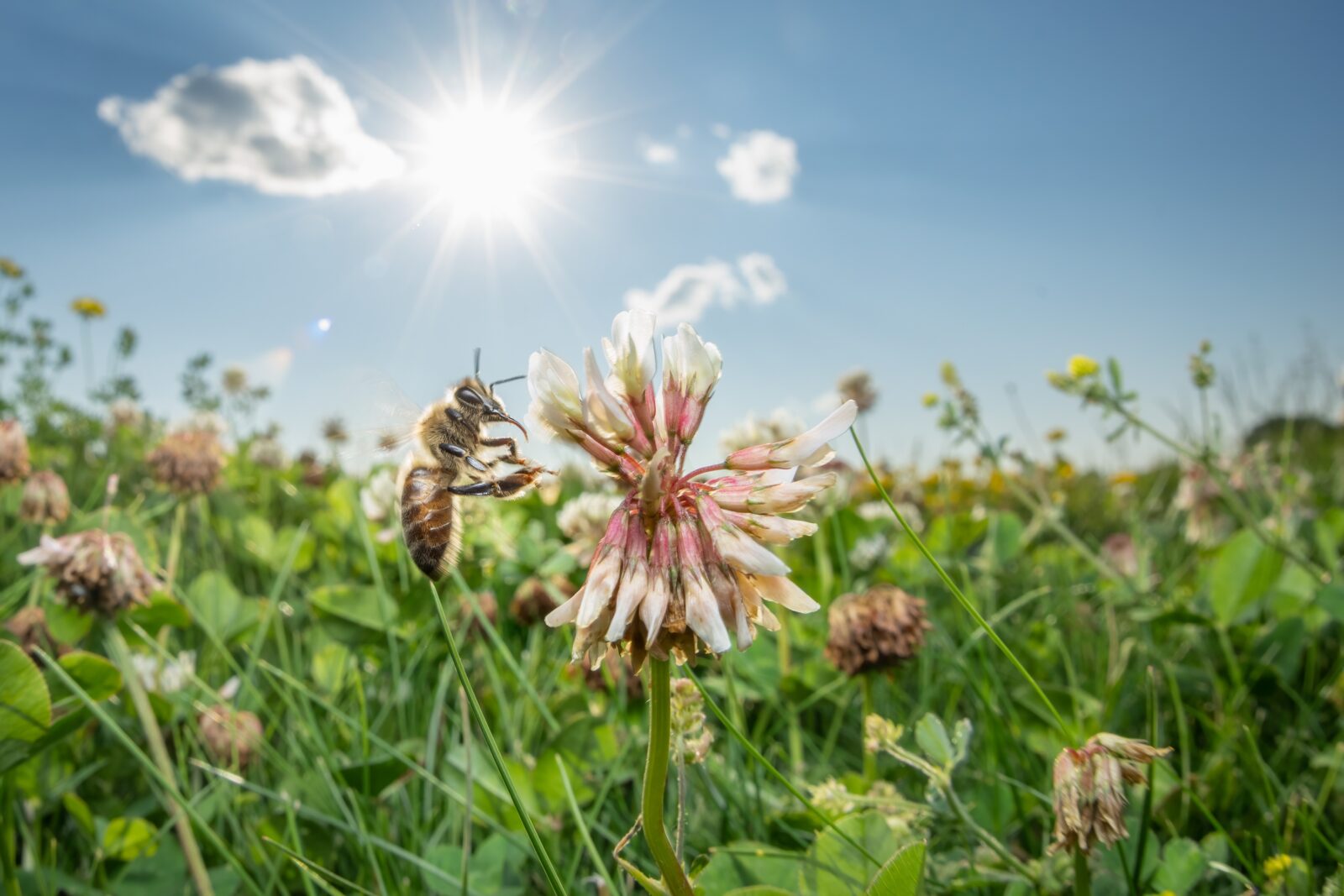
Conservation Photography
“I really wanted to use my photos to impact conservation,” she said. “I wanted it to be purposeful.”
It was time to pitch to media outlets, which wasn’t an “easy” task, she said.
It took some time to learn the process, but, eventually, she was able to get some of her work published in both newspapers and conservation magazines.
“Seeing my work reach a broader audience is incredibly rewarding because it helps raise awareness of the conservation issues I’m trying to highlight, as well as the important work being done by scientists and conservation volunteers.”
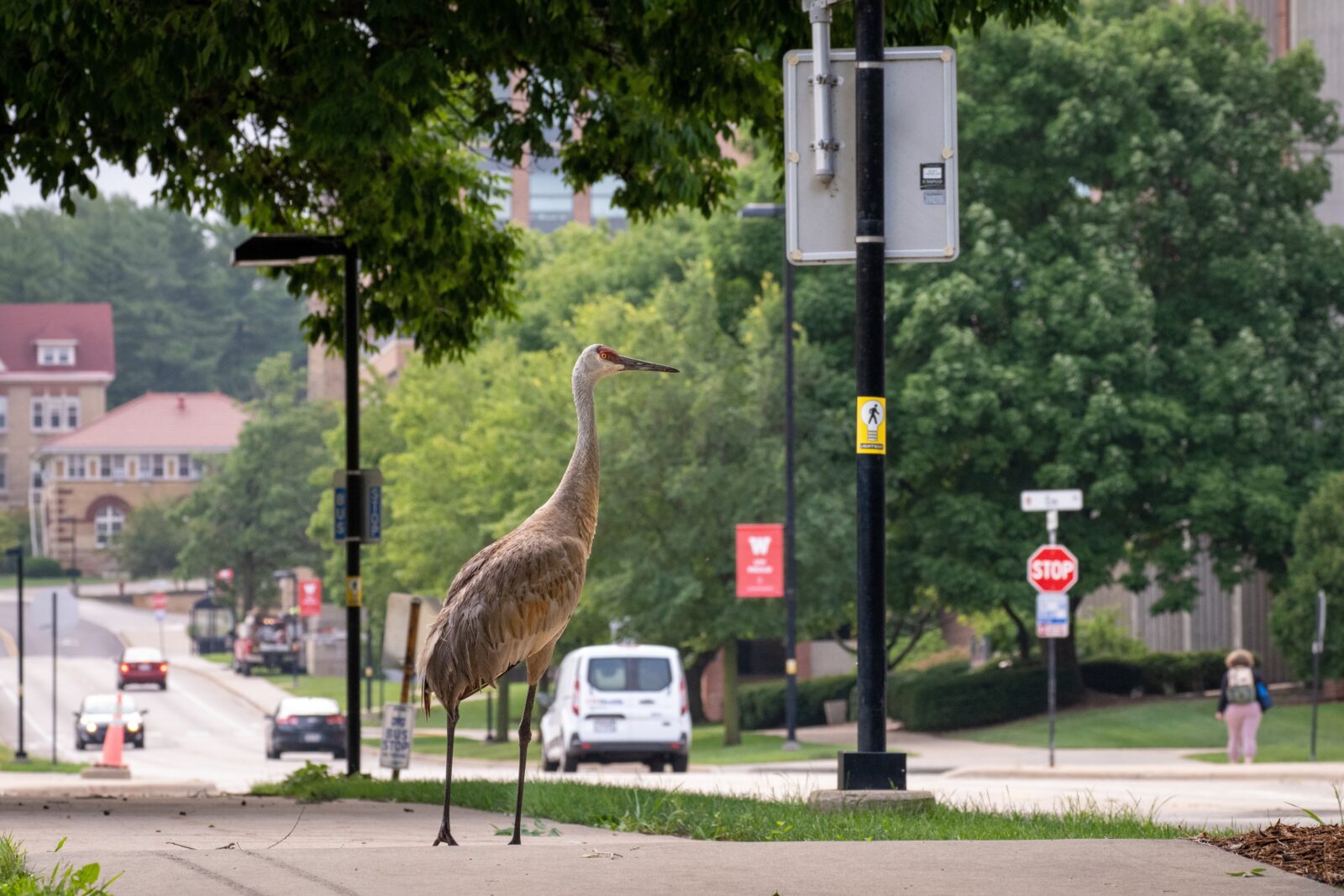
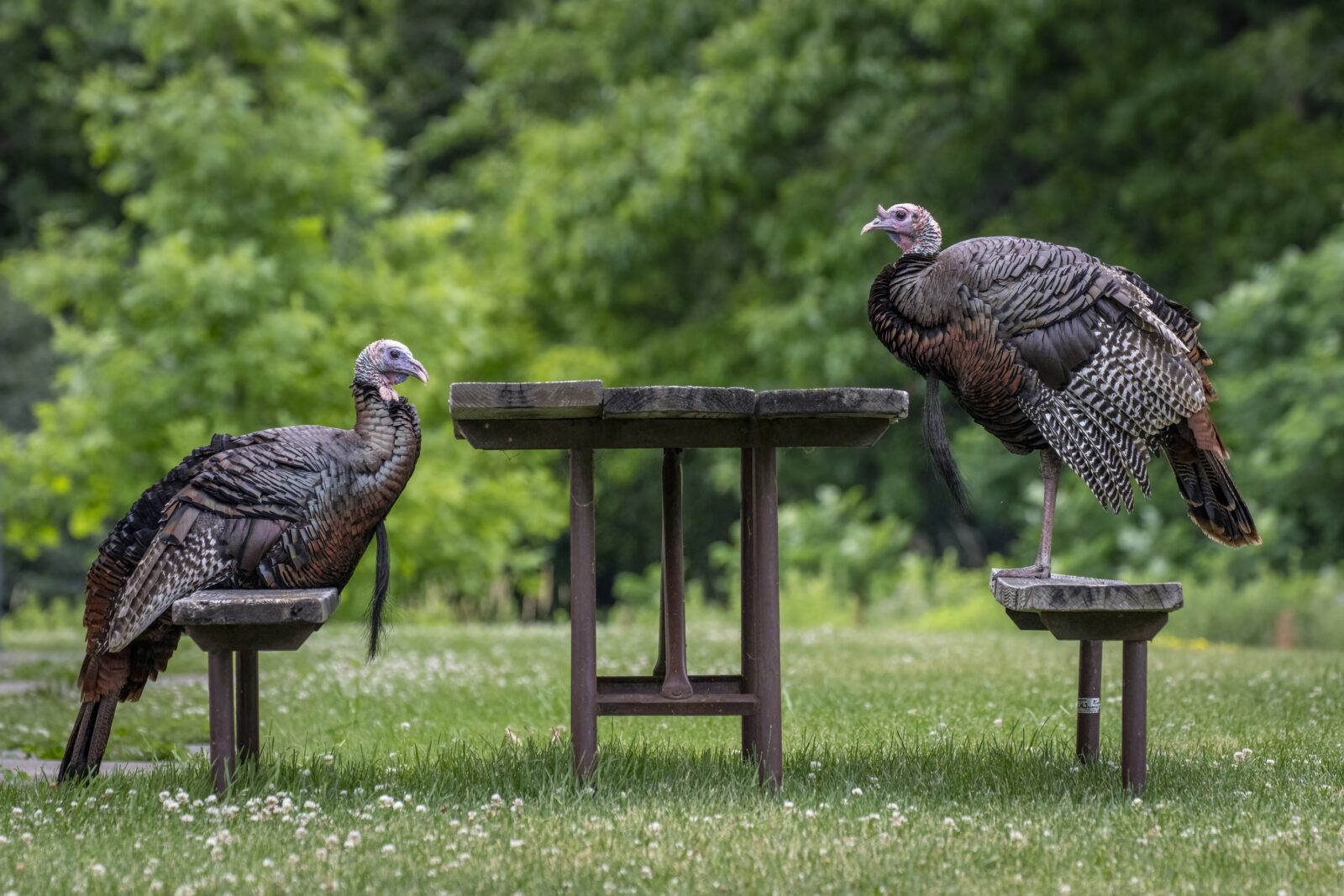
Readel’s wildlife photography has reached nationwide audiences, but fellow Badgers have likely seen her subjects across Madison, from wild turkeys to rusty patched bumblebees. That is because
her photography mirrors her view of conservation.
“A lot of conservation is local, and if we are looking to make an impact, the easiest way to do that is in the places around us,” she explained. “By focusing my photography and writing on local issues, I can actually make a difference.”
That local perspective, she added, is often what makes stories about Madison resonate across the nation.
“The issue you are approaching could be a national or global issue — you’re just telling it from the lens of one small community,” she continued.
Whether in a courtroom or behind a camera, Readel sees storytelling as the common thread.
“You must understand the story you want to tell,” she said. “From there, you can envision the photographs you want to collect to help tell that story.”
It’s similar with law, she said.
“If you’re litigating, you have an outcome that you’re trying to achieve, trying to craft that argument with the facts that you have, with quotes that you have from experts and other supporting characters,” she said. “You are essentially telling a story.”