Weaving the Thread
“The Wisconsin Idea should be felt on every Reservation.”
It’s a commitment Torey Dolan made to herself as a scholar: to not abandon her roots as an advocate and a practitioner. And it’s a thread she weaves through her work as an assistant professor at University of Wisconsin Law School. Dolan’s scholarship often centers on election law as it intersects with tribal sovereignty.
“I always want my work to have a practical utility to it,” said Dolan, a citizen of the Choctaw Nation of Oklahoma. “I also want to ensure that my work has continued relevance to Tribal communities I serve and similarly situated Tribal communities. If my work can influence courts, policy makers, tribal governments or Native people toward solutions that are pro-democracy and pro-voter, then I’ll be thrilled.”
She was initially drawn to this area as a student in the Arizona State University Indian Legal Clinic working on the Arizona Native Vote Election Protection Project. During the 2018 election, she became frustrated by how often Native people were experiencing barriers to voting. She decided she wanted to commit herself to that work as a Native Vote Fellow in the clinic after graduating in 2019.
“Seeing the 2020 election unfold up close while the COVID-19 pandemic was disproportionately harming Native communities, I saw the gaps between Tribal sovereignty and election law become even more stark,” she said. “My work today is heavily informed by the questions that I saw Tribal leaders and attorneys constantly grappling with.”
Becoming A Hastie Fellow
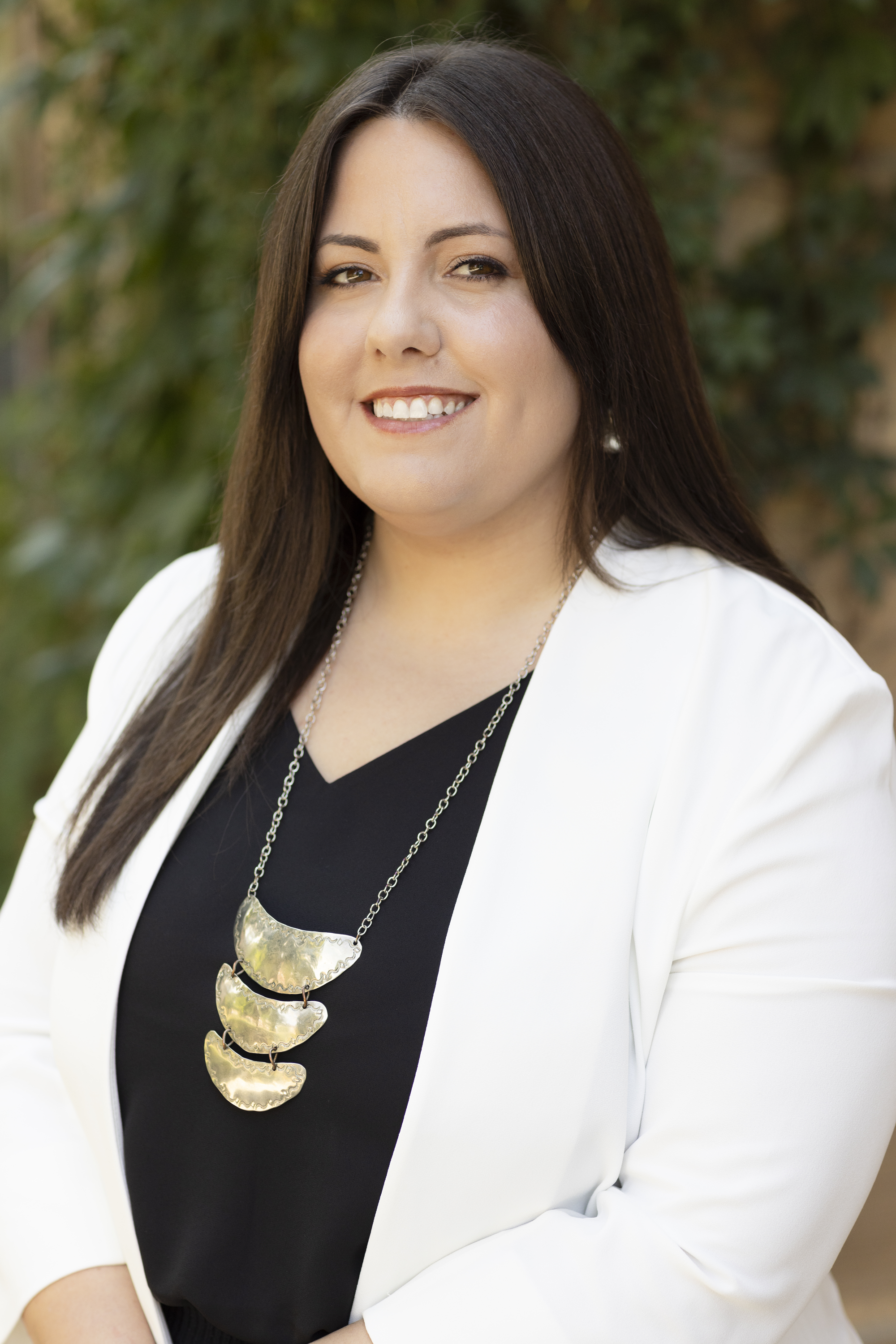
In 2023, Dolan was named to UW Law’s William H. Hastie Fellowship, which has provided aspiring scholars with an opportunity to prepare for a career in teaching law since 1973.
Having an opportunity like the Hastie Fellowship in legal academia demonstrates UW’s commitment to challenging stagnant ideas about who can or should be a legal scholar.
Dolan has spoken candidly about her path to the Hastie Fellowship, which began when she was told she “couldn’t be a law professor.” The moment left her uncertain and almost resulted in her abandoning thoughts of a career in legal academia.
“But Native women I really admire and look up to in Indian law like Kate Rosier, Patty Ferguson-Bohnee and (former Hastie Fellow) Stacey Leeds intervened before I could internalize that idea,” she said. “They told me I could be a law professor, and they would help me get there.”
Having someone like Leeds believe in her so early in her academic career was priceless, said Dolan.
“To have her give me advice was huge,” she said. “She was also very candid about the hardships that I could — and would likely — face in the academy. Knowing that the Hastie helped her get to where she was, there was no question that I was going to go for it. Having that kind of support and belief in my capabilities was huge!”
As someone who “lacked many of the ‘metrics’ folks in law look for,” having the Hastie Fellowship behind her signaled not only that she had the potential to be a scholar, but that other people like her may be overlooked, said Dolan.
“I’m incredibly proud to be part of the Hastie history,” she continued.
Finding An Academic Home
Dolan “found a really great home” at UW Law and accepted a position as assistant professor in 2024. Her decision was grounded in several factors, including the school’s commitment to Native students and Indian law, its public-facing legal scholarship and the fact that the faculty is already stacked with election law and law and democracy experts.
“Knowing that I have the support from faculty to pursue practical scholarship as well as theoretical scholarship is incredibly liberating for my research and writing,” she said. “I can pursue scholarship that is authentic to my interests and could have an immediate impact, and that will be celebrated here.”
“If my work can influence courts, policy makers, tribal governments or Native people toward solutions that are pro-democracy and pro-voter, then I’ll be thrilled.”
Dolan said she’s been fortunate to utilize her past scholarship in recent amicus briefs. She’s also worked on this Supreme Court term in Louisiana v. Callais on behalf of the Navajo Nation and in Watson v. Republican National Committee on behalf of the National Congress of American Indians and local Native organizations in Alaska and Washington. Forthcoming scholarship will focus on county governments that incorporate large reservation populations and the practical governance issues they face.
Dolan sees her work contributing to broader conversations about democracy, representation and tribal self-determination.
“My hope is that my work contributes to these conversations and ensures that Tribal communities — and Tribal sovereignty — are not forgotten,” she continued. “I fully believe the law can ensure robust Tribal sovereignty, self-determination and the full spectrum of rights for American Indian citizens. What drives me to do this work are the voters I’ve served and the communities that I stay in connection with, because they all deserve better. That’s what I hope to see.”