In Brief
2025 Teachers of the Year Named
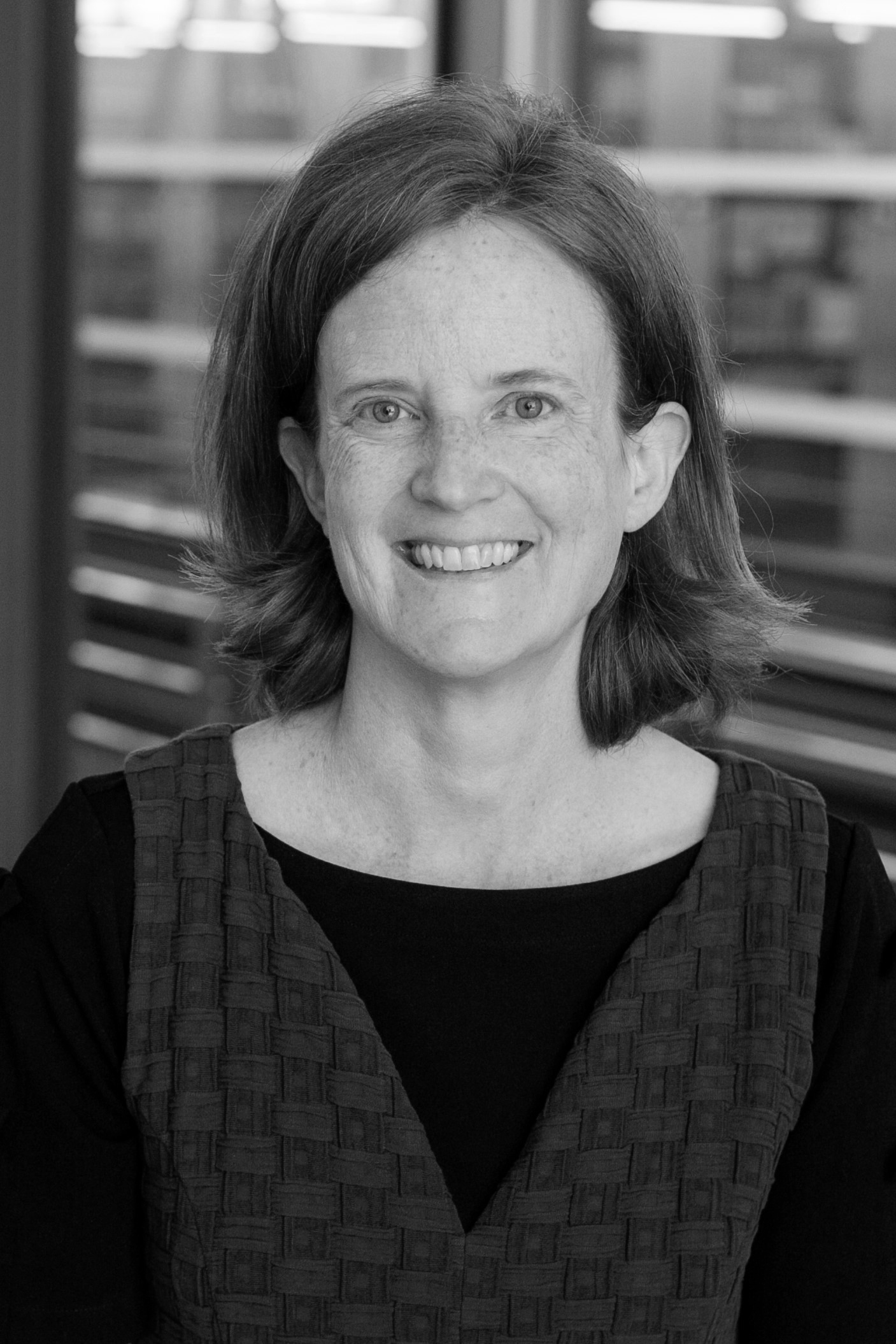
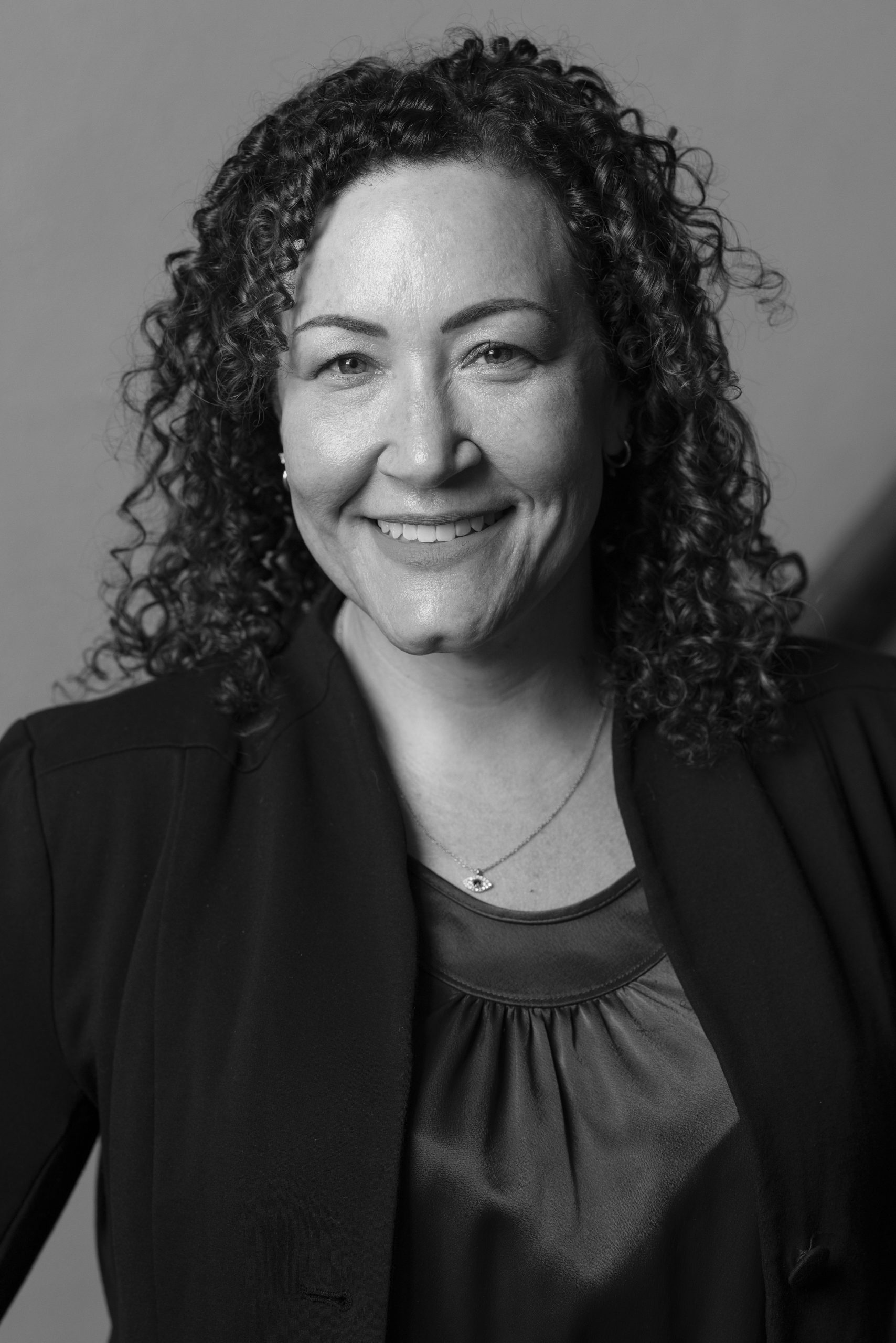
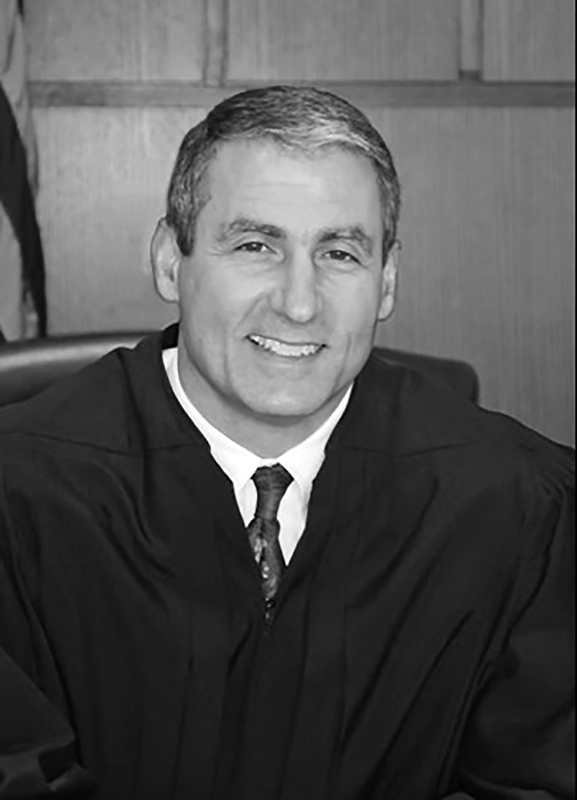
Each spring, University of Wisconsin Law School celebrates excellence in teaching through its Teacher of the Year awards. The honorees for outstanding classroom, clinical and adjunct instruction in 2025 include:
Emily Cauble, Classroom Teacher of the Year: Emily Cauble is associate dean for Academic Affairs and Thomas G. Ragatz Professorship in Tax Law. Her research focuses on business taxation, tax administration and other aspects of tax policy.
Ryan Poe-Gavlinski, Clinical Teacher of the Year: Ryan Poe-Gavlinski is director of the Economic Justice Institute, clinical associate professor, director of the Restraining Order and Survivor Advocacy Clinic and director of the Lawyering Skills Course at UW Law School.
Nicholas J. McNamara, Adjunct Teacher of the Year: Judge Nicholas J. McNamara rejoined the UW Law adjunct faculty in 2020 to teach Evidence and present lectures in criminal procedure, advanced criminal practice seminars and clinical internship programs.
UW Law Receives Recognition at AALS
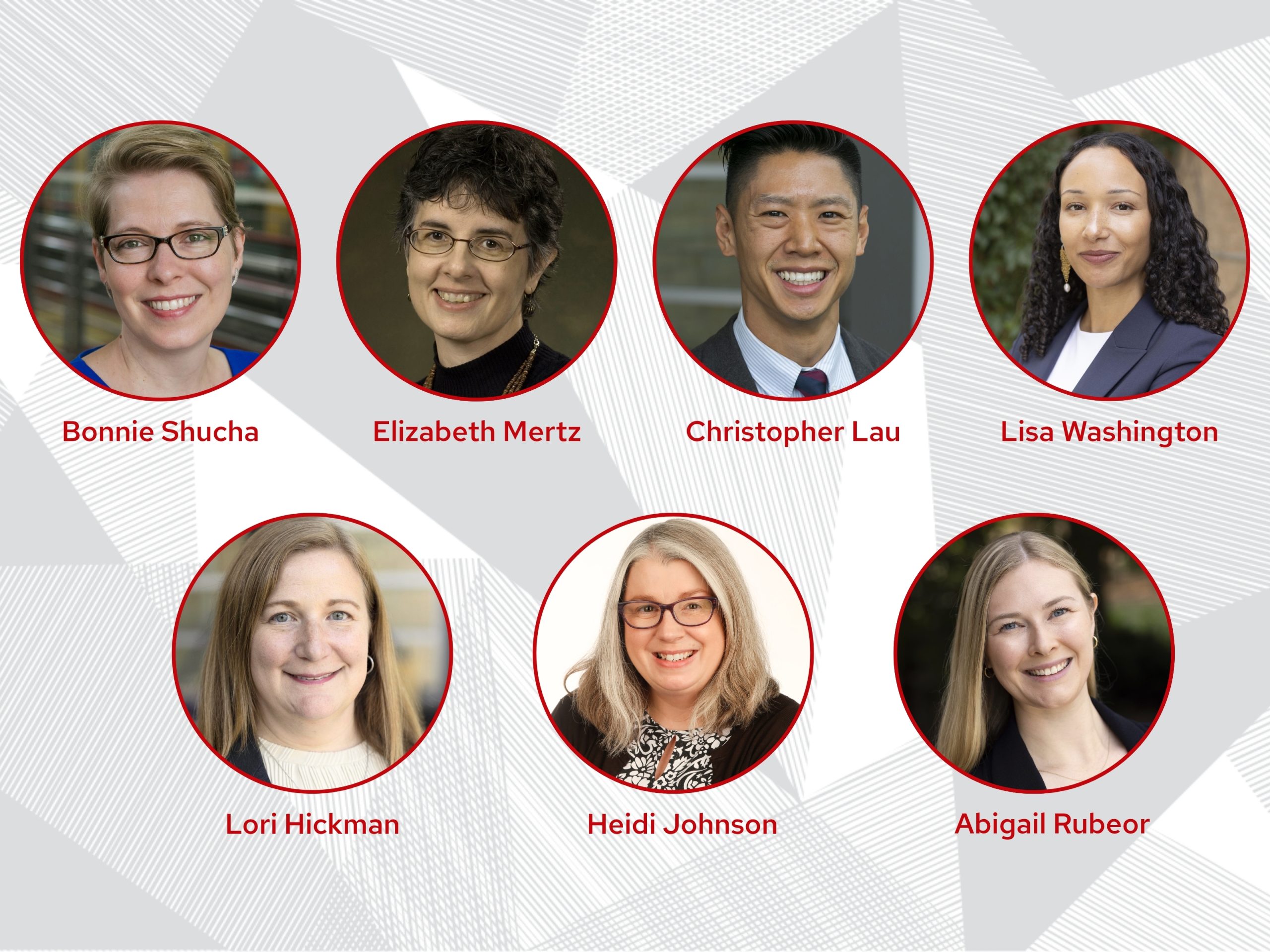
UW Law faculty and staff were honored during the Association of American Law Schools (AALS) 2026 Annual Meeting: Bonnie Shucha, Law Libraries and Legal Information Section Award; Elizabeth Mertz, Judith Welch Wegner Award (Section on Empirical Study of Legal Education and the Legal Profession); and Scholarly Papers Competition finalists Christopher Lau, for “Shadow Forensics: Uncovering 911 Call Analysis,” and Lisa Washington, for “Beyond the Carceral Frame” (forthcoming). Lori Hickman, Heidi Johnson, and Abigail Rubeor received the Financial Aid Change Maker Award (Section on Pre-Law Education and Admission to Law School).
Scholarly Roundup
Mitra Sharafi became president of the American Society for Legal History (ASLH) following the annual awards ceremony at the 2025 ASLH conference in Detroit in November. Sharafi is the first ASLH president from the University of Wisconsin and the first legal historian of South Asia in this role. Her term will be 2025-27.
Desmund Wu was awarded an Association of Legal Writing Directors (ALWD) Teaching Grant for developing teaching modules for teaching generative AI in first-year legal writing. ALWD funds annual teaching grants that allow legal writing faculty to spend their summers exploring innovative teaching ideas and producing teaching tools, materials and curriculum that will assist others in the field.
Erin McBride and Jay Tucker received the 2025 Doug Palm Community Service Award, which recognizes those who demonstrated creativity, resourcefulness, enthusiasm, integrity and outstanding achievement during the Partners in Giving campaign. Tucker also received the 2025 Robert A. Alesch Award for serving in multiple leadership roles over an extended period.
Maryland Adopts Technology from Project Led by BJ Ard
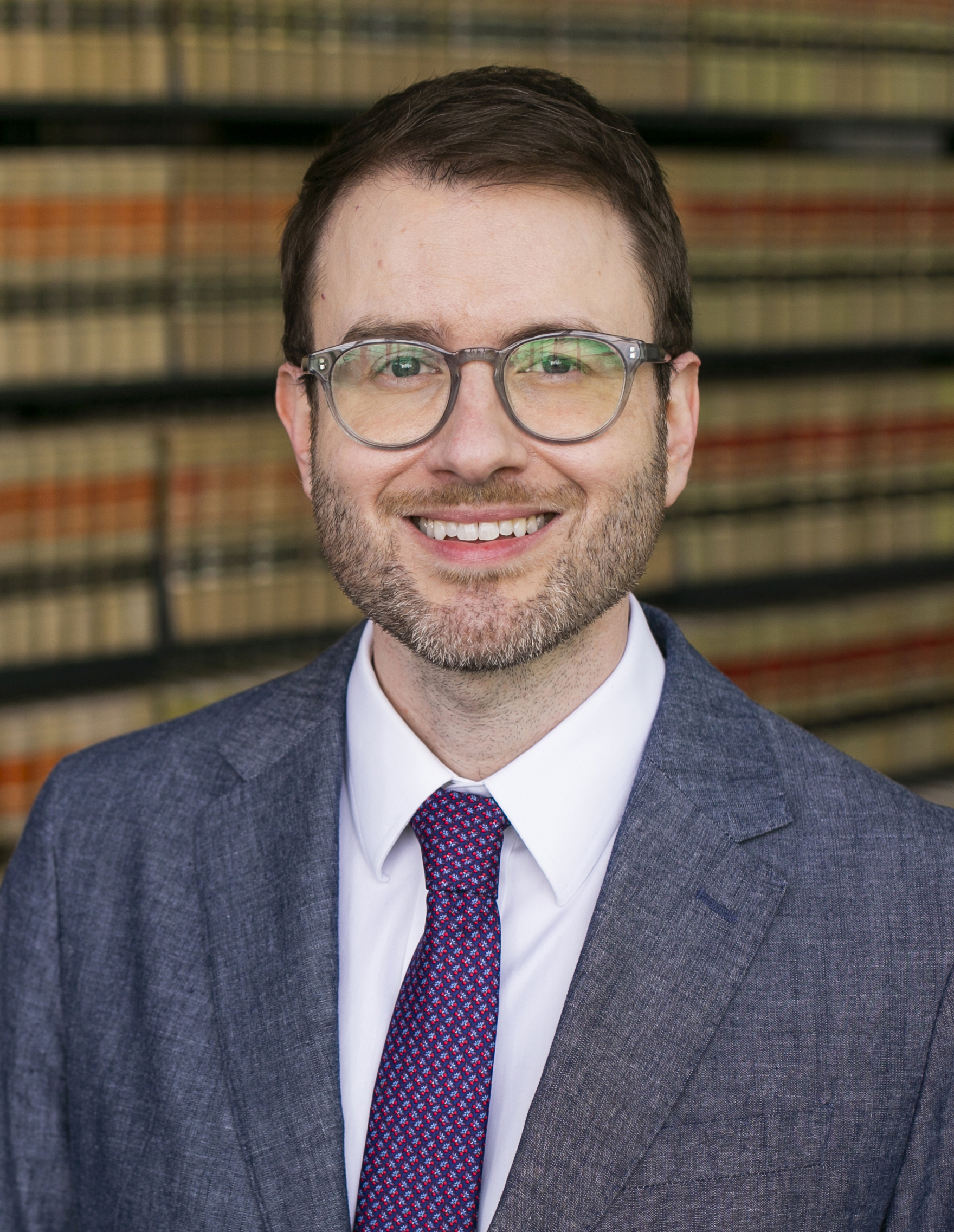
BJ Ard is a principal investigator on a National Science Foundation-funded project that has achieved a major milestone: Maryland has become the first state to publish its regulations online using cryptographically secure technology that protects against cyberattacks and ensures long-term digital preservation.
The state is using The Archive Framework (TAF), first introduced in 2019 by Justin Cappos, a professor in the Computer Science and Engineering Department at New York University’s Tandon School of Engineering, in collaboration with the Open Law Library, a nonprofit that helps governments publish laws and regulations online.
In 2023, the NSF awarded a grant to Ard and Cappos — leading a team from University of Wisconsin Law School, NYU Tandon and the Open Law Library — to develop TAF further and expand its applications beyond initial municipal deployments in jurisdictions like the District of Columbia and the city of Baltimore.
As the first state-wide TAF deployment, Maryland put its Code of Maryland Regulations (COMAR) — the official compilation of all administrative regulations issued by state agencies — on a dynamic, fully versioned digital platform at regs.maryland.gov.
Previously, because Maryland’s regulations were available in difficult-to-use HTML, citizens, lawyers and researchers who needed to know what regulations said at specific points in time — crucial for litigation and legal compliance — had no reliable way to access that information online.
“That kind of historical access is not just a convenience, but critical for ensuring people can rely on the system,” said Ard. “People need to be able to verify exactly what the law said on a given date. The system makes that possible in a way that is newly secure and accessible.”
In the print era, official legal publications had a physical permanence that people could trust, said Ard.
“What we’re doing here is bringing that same reliability to the digital age so that users can have confidence in the authenticity and availability of the law,” he continued.
The system creates a “single source of truth” that is fully versioned and cryptographically authenticated. Every regulation change is tracked, timestamped and secured using advanced cryptographic techniques.
The new system publishes regulations in computer-readable XML and human-readable HTML formats while maintaining PDF versions for printing. The entire code is available on GitHub under a Creative Commons license and accessible via API, making it ready for AI and other emerging technologies.
The successful Maryland implementation paves the way for broader adoption across the United States.
Finding ‘Sustainable Solutions’ for Migrants
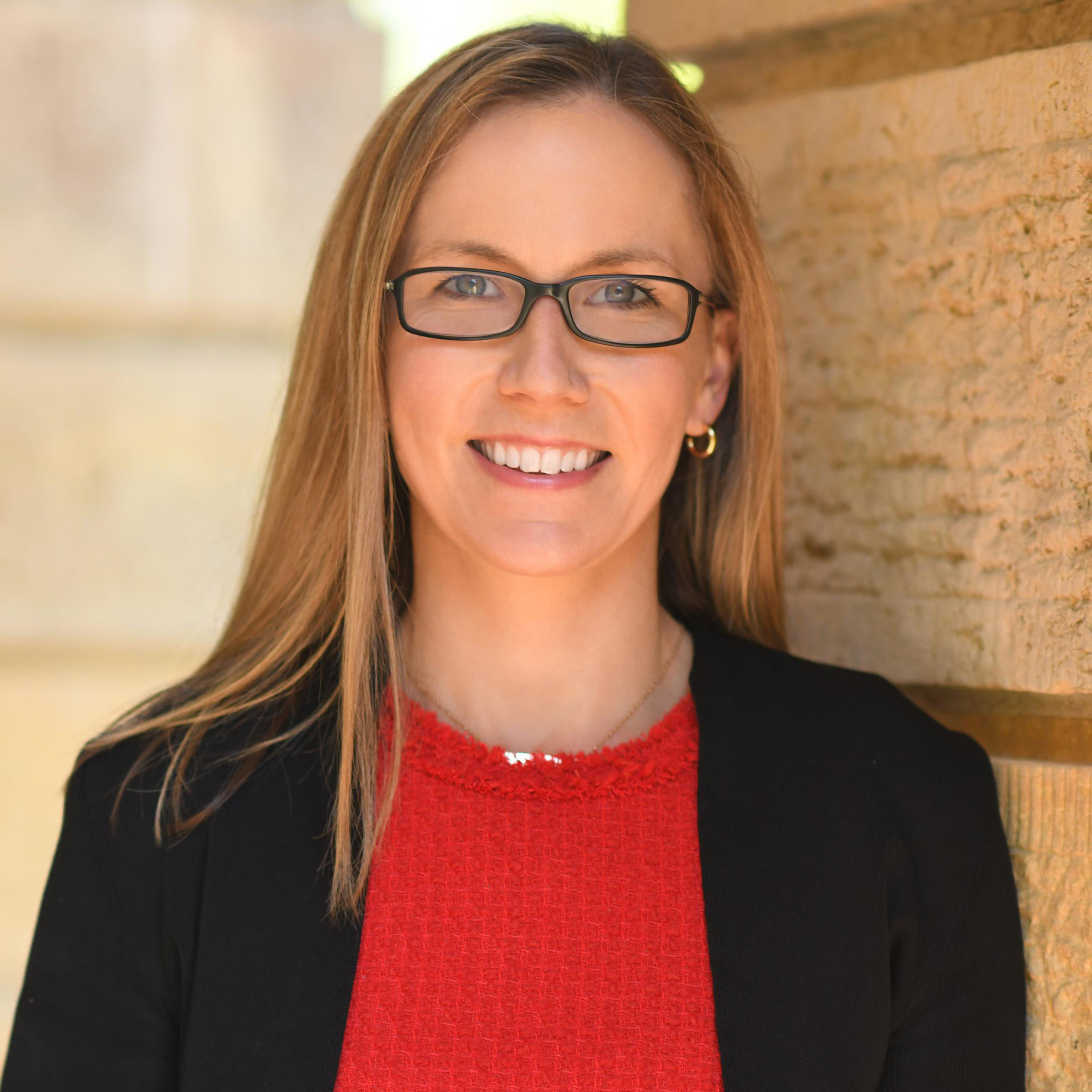
Erin Barbato, director of UW Law’s Immigrant Justice Center, has been tapped for an extensive three-year global initiative to address the critical challenges faced by migrants and refugees. Last fall, she traveled to Rome to join other academics at an “inspiring” conference to “build sustainable solutions.”
“Refugees & Migrants in Our Common Home,” led by Villanova University and its partners to mobilize academic communities, resulted from a call to action in 2022 by Pope Francis. It has since been carried forward by Pope Leo XIV. With nearly two decades of experience, Barbato is Wisconsin’s leading expert in immigration law.
Over the past few years, she has been researching and implementing immigration human rights clinics throughout the Americas.