A Quest to Enact Meaningful Change
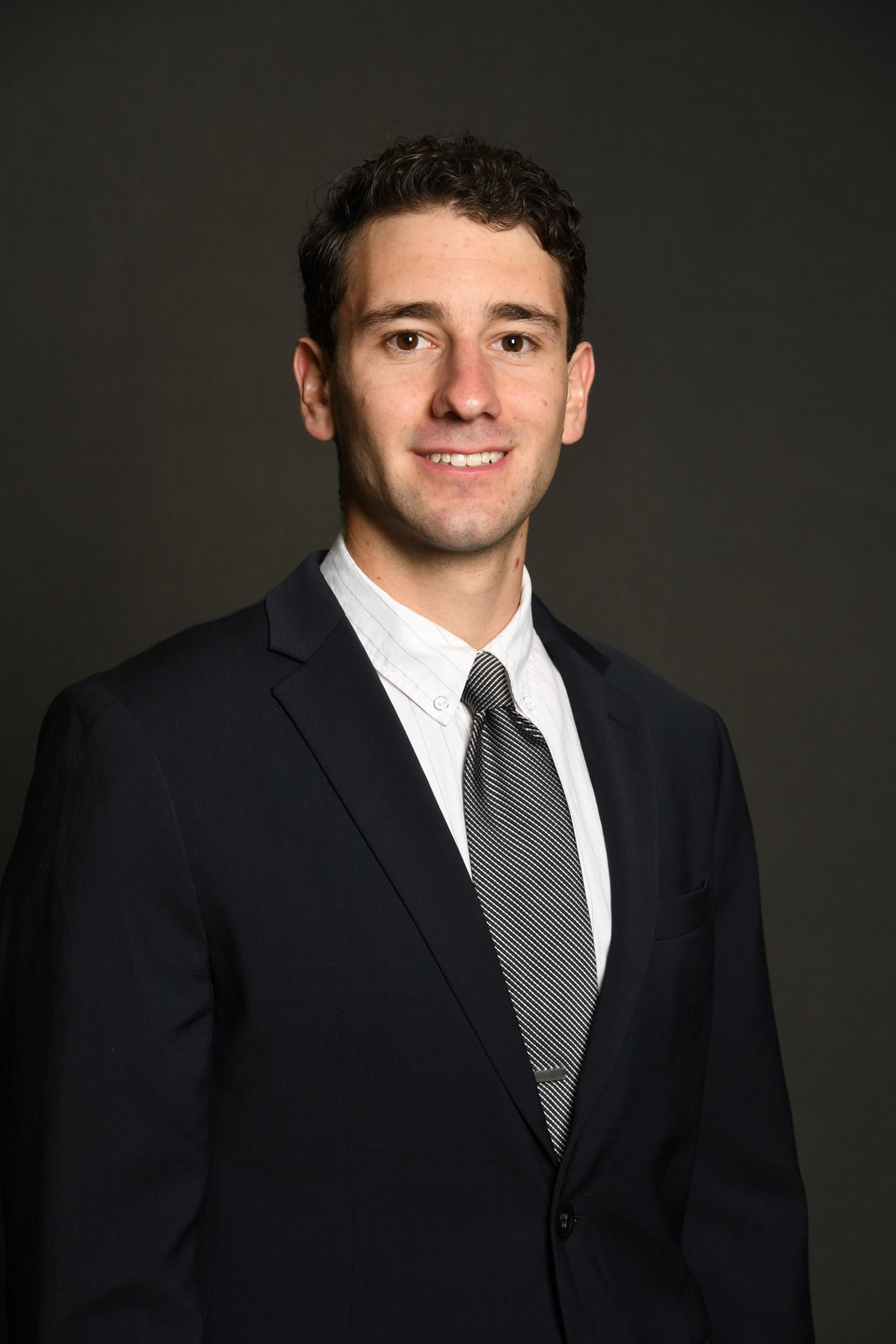
A year ago, Ben Willstein 3L was excited to serve as the first vice president of well-being for the Student Bar Association (SBA) at University of Wisconsin Law School, even if the duties and expectations were unclear.
Though the lack of structure could have been intimidating for others, Willstein, a double Badger with a bachelor’s degree in political science, viewed it as an opportunity. His goal was to create more social spaces on campus for Law students to build community and break boundaries.
“Community building is very important to me,” Willstein said. “Unfortunately, the environment in law school tends to lead to cliques, and those barriers can inhibit relationships, mental health and creative problem-solving. If two people are capable of collaborating on a project based on a shared interest but they never meet due to social anxieties, then to me, that’s wasted potential. Conversely, if two people view themselves as opposed based on a few assumptions, they might discover they have common interests or goals if they are forced to work on a task together.”
Whether it’s through activities like volleyball or succulent planting, important connections are there; they just need to be made.
“The legal community is small, and we only have so much time to get to know our classmates,” the Missoula, Montana, native said. “Who knows? A few years down the line, you might find yourself working with a former classmate on a case.”
Two things Willstein introduced were a weekly wellbeing student newsletter — packed with events, resources and fun facts — and the Non-Alcoholic Programming (NAP) series.
“… if two people view themselves as opposed based on a few assumptions, they might discover they have common interests or goals if they are forced to work on a task together.”
With NAPs, Willstein and his fellow SBA members sought to create an alternative social option for students who don’t drink alcohol, but one that wouldn’t be exclusive to sober individuals.
A pirate-themed murder mystery party and rock climbing event are two very different examples of events that attracted a diverse mix of folks.
“It took a little coaxing to get in character for the murder mystery party, but by the end, it seemed like folks were really enjoying themselves,” Willstein said. “And with rock climbing, you’re really only competing against yourself, so it invites encouragement from others. It was so nice to see students encourage each other to get a hand or foot on the next hold or try a new route.”
This year, Willstein is continuing with SBA leadership as 3L representative — while Byron Bushara 2L takes over as vice president. Willstein hopes to expand on interactive activities, especially ones that don’t require being present at a specific time or place.
But building a community is more than just creating bonds with peers. Willstein believes it’s the best way to make widescale change.
In 2020, he worked for the Biden-Harris campaign; he also consulted for the Planned Parenthood Action Fund. He said he enjoyed these experiences but envisions his path ahead as an advocate for economic justice.
Willstein is particularly interested in labor and employment law and antitrust law because of a dispute he and his coworkers once faced with their employer.
“It opened my eyes to just how much power employers exercise over their employees,” he said.
By Kate Shucha