Carrying the Wisconsin Idea Forward
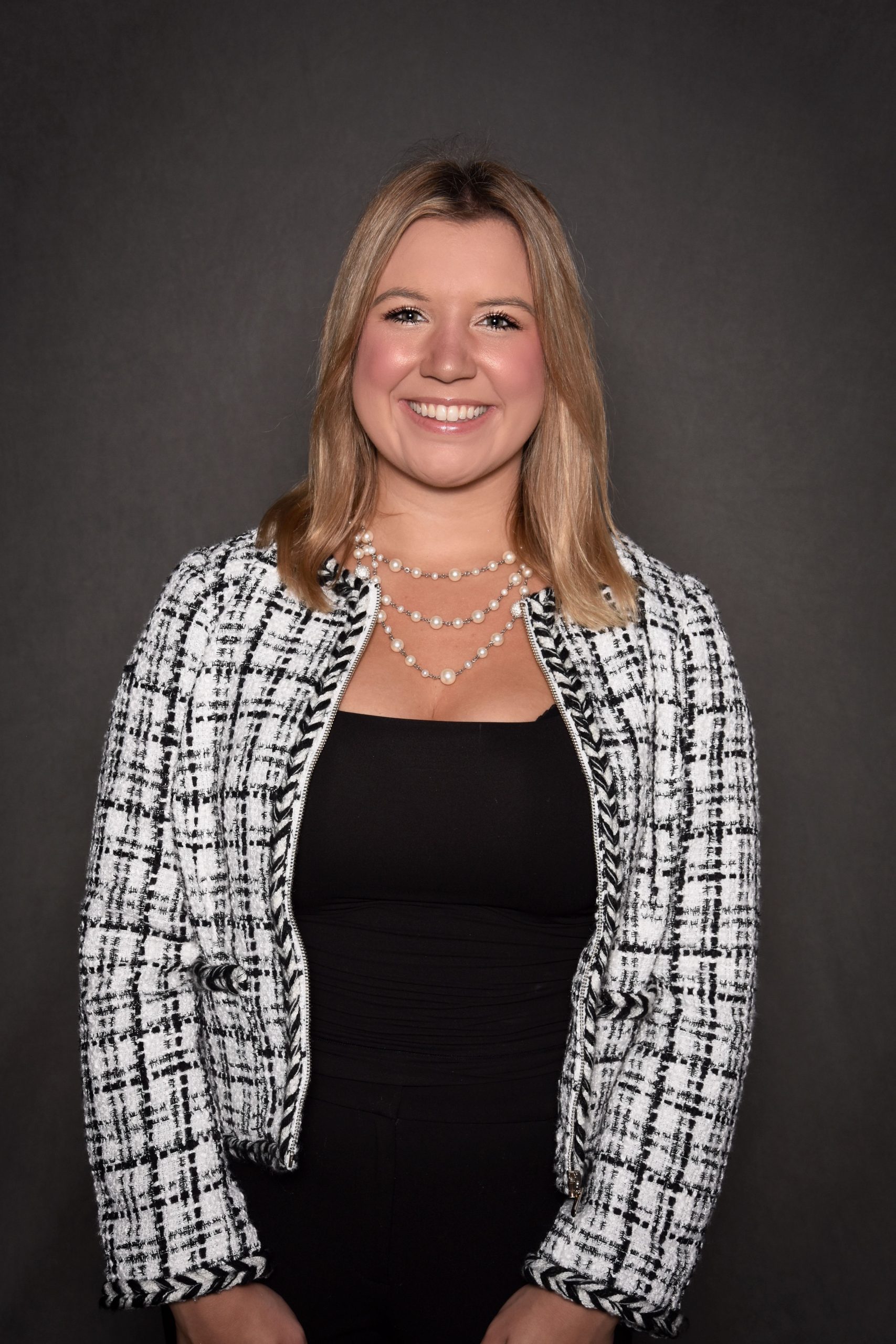
Growing up with a younger brother with Pediatric Autoimmune Neuropsychiatric Disorder Associated with Streptococcus (P.A.N.D.A.S), Mariah Bader 2L witnessed educational inequality firsthand.
While her family hired an attorney and fought for her brother’s right to an equitable education, Bader quickly realized that many families can’t do the same.
“Every day, students across the country face similar injustices to what my brother faced, and their families are left to navigate a complex and often unresponsive system on their own,” she said. “I saw the emotional, academic and financial strain it placed on my family, and I never want another family to have to go through what we did.”
Witnessing this process, Bader knew she wanted to pursue law and advocacy. In high school, she lobbied for a bill that would increase special education funding in rural Wisconsin. The bill didn’t pass, but it was a turning point for Bader.
“I felt a deep responsibility to help students like my brother,” she said. “While I couldn’t change the legislators’ votes, I realized I could help the individuals as their attorney. I want to be the person who stands up for students with special needs and ensures their rights are protected, regardless of their family’s resources.”
“I hope to be part of reshaping the educational system so that no family has to fight as hard as mine did just to receive the support their child deserves.” – Mariah Bader 2L
Her undergraduate experiences at Carthage College confirmed her interest in law and advocacy. Through her involvement in Mock Trial and Phi Alpha Delta, Bader began to see what a life in law could look like. And interning at the Kenosha Clerk of Courts gave her an even closer look at the legal system in action, particularly during a time of heightened national attention following the shootings of Jacob Blake and George Floyd, and the Kyle Rittenhouse trial.
“Witnessing how the law could both reflect and influence social change reinforced my belief that law school was where I belonged,” she said.
Bader initially considered University of Wisconsin Law School for its diploma privilege, which allows UW Law graduates to secure a license to practice law in Wisconsin without taking a bar exam. But what ultimately sealed her decision was the positive feedback she received from every UW Law alum she met, including Mark Richards ’87, for whom she interned.
“I hope to be part of reshaping the educational system so that no family has to fight as hard as mine did just to receive the support their child deserves.” – Mariah Bader 2L
“Their reflections weren’t just about academics,” she said. “Every alum I spoke to talked about the strong sense of community, the support from faculty and how well the school prepared them for real-world practice. That genuine enthusiasm made it clear to me that UW Law isn’t just a strong institution on paper; it’s a place where students are truly supported.”
At UW, Bader holds leadership roles in the Business and Tax Law Association and the Indigenous Law Students Association (ILSA), experiences which have broadened her skills and enriched her UW journey.
“Through the Business and Tax Law Association, I’ve deepened my understanding of transactional law and enhanced my organizational and leadership abilities,” she explained. “Simultaneously, my involvement with ILSA has grounded me in community-building and cultural awareness. It’s taught me the importance of creating space for underrepresented voices.”
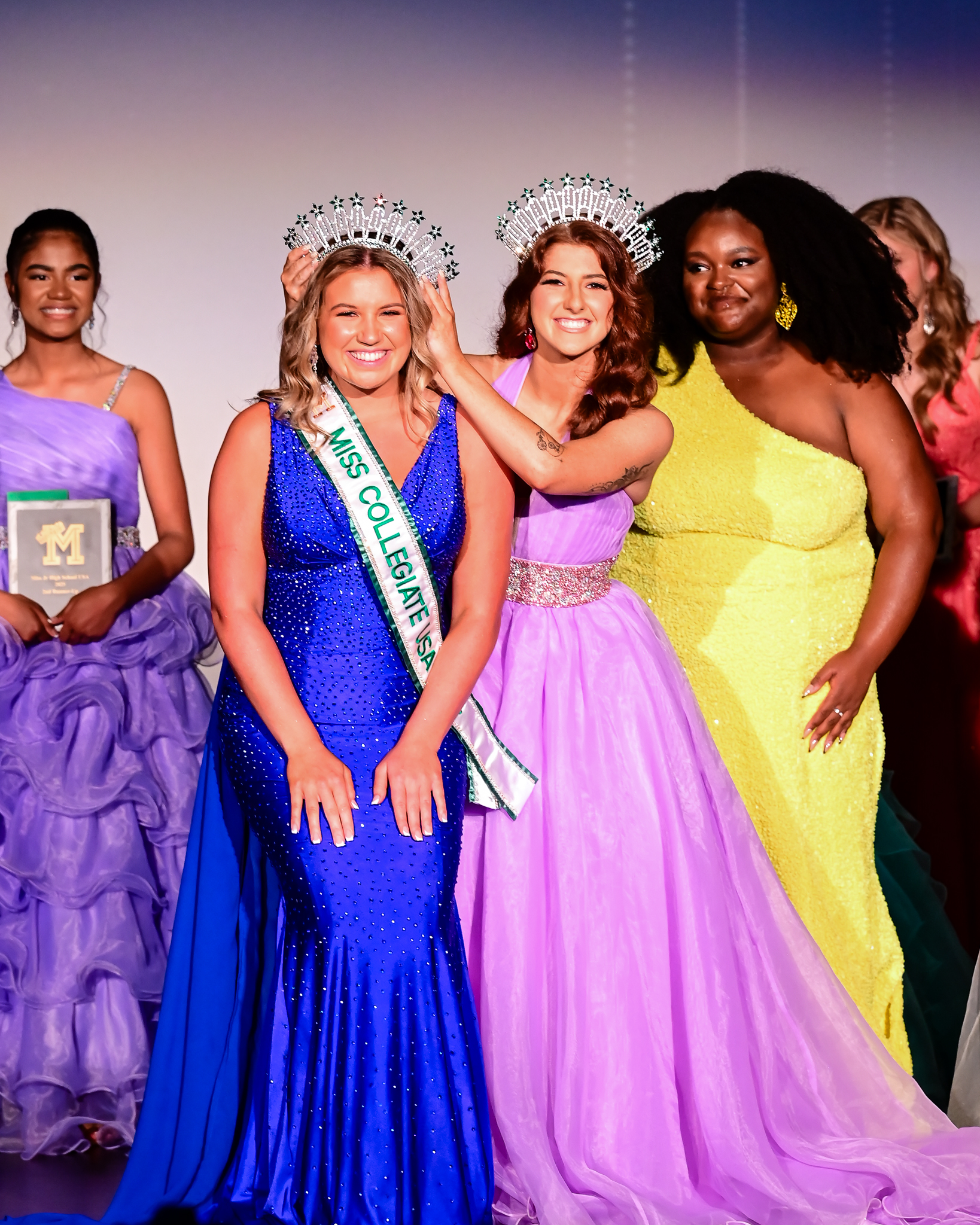
In July, Bader was named Miss Collegiate USA 2025, one of the most “empowering and transformative experiences” of her life.
“It gave me more than a crown or a title; it gave me a national platform to advocate for causes I care deeply about,” she said. “I’ve connected with people across the country, shared my story, encouraged others to pursue higher education and promoted leadership in spaces where many still feel underrepresented.”
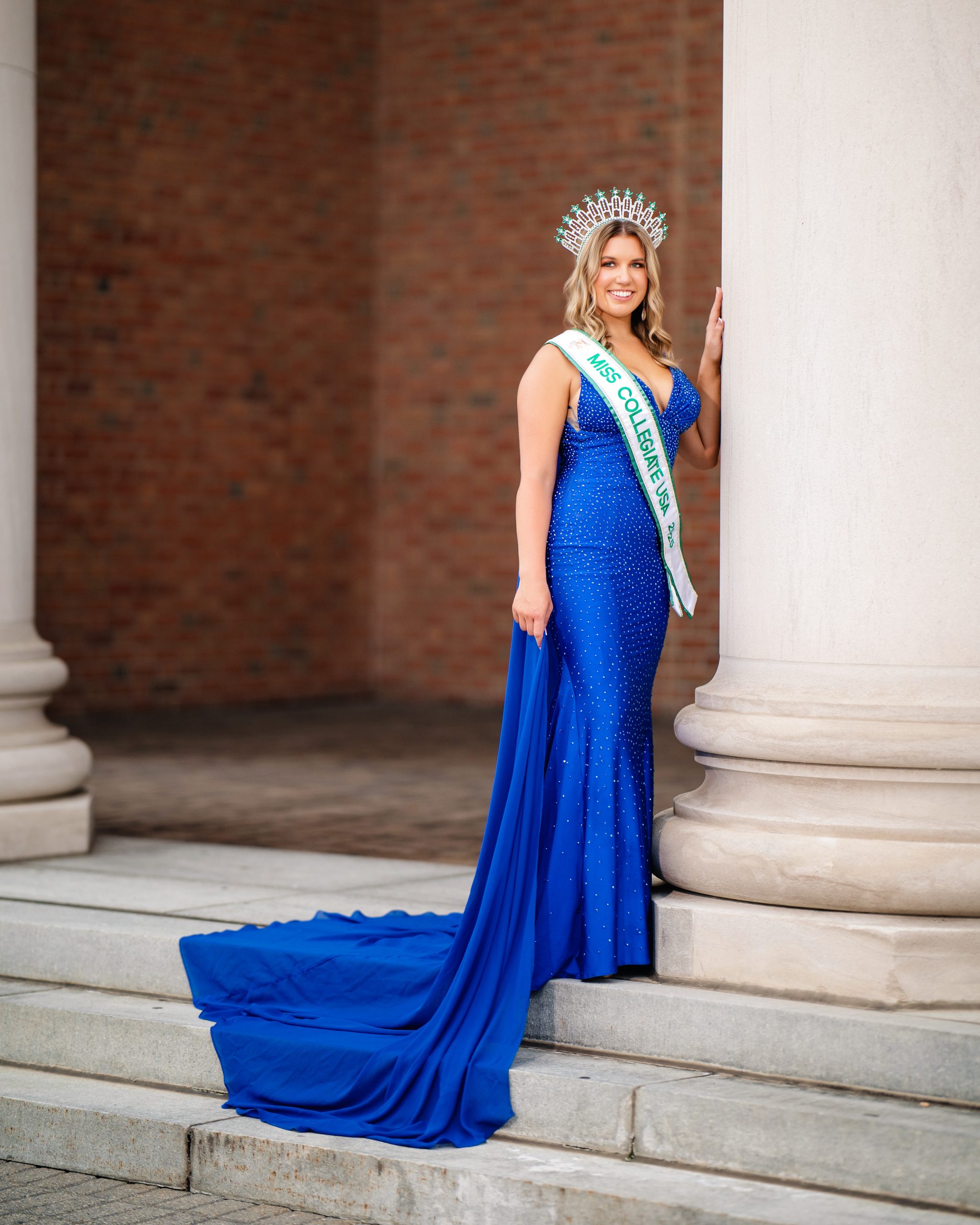
What makes this title especially meaningful, said Bader, is the journey it took to get there.
“When I first competed for Miss Collegiate USA in 2021, I was a college freshman who didn’t quite know what she was doing,” she explained. “I didn’t win a single award, but I walked away inspired by the incredible women around me. I left that experience with a promise to myself: that I would return stronger, more prepared and more confident. And I did just that.”
In 2025, Bader won every optional competition as well as the national title.
“That transformation taught me something I now carry into every new challenge: With enough tenacity, growth and belief in your purpose, anything is possible,” she said.
The experience has also shaped her Law School ambitions.
“It’s reinforced my belief in the power of combining legal training, policy work and public engagement to create lasting change,” she said. “Most importantly, it’s reminded me that leadership isn’t about a title; it’s about using every platform you have to uplift others, champion your values and lead with purpose.”
Pairing her experiences and legal training with an MBA, which Bader is pursuing simultaneously from the University of Wisconsin–Madison, gives her the tools to approach these challenges not only through advocacy, but also through systemic, policy-driven change.
“That transformation taught me something I now carry into every new challenge: With enough tenacity, growth and belief in your purpose, anything is possible.” – Mariah Bader 2L
“I hope to be part of reshaping the educational system so that no family has to fight as hard as mine did just to receive the support their child deserves,” she said.
Bader said she believes that being a lawyer, no matter the practice area, comes with a responsibility to serve. That’s why, after graduation, she hopes to practice transactional law while dedicating a portion of her time to pro bono work focused on educational rights law, advocating for students and families navigating unjust systems. She also hopes to sponsor and fund initiatives that expand access to equitable education across Wisconsin, especially in underserved and rural communities like the one she grew up in.
For Bader, the Wisconsin Idea is not just an ideal.
“It’s a promise to use the tools and education I’ve gained to make a lasting impact,” she explained. “Whether in the boardroom or the classroom, I intend to use my legal career to help build a more just and accessible future for others.”
Her experience at UW Law has been instrumental in preparing her for that path.
“The school’s commitment to experiential learning and the support I’ve received through student leadership roles have all helped me build a well-rounded legal foundation,” she explained. “Whether through clinical work, externships or collaboration with faculty and peers, I feel empowered to step into a legal career that reflects both my values and my vision for impact.”
Q&A with Mariah Bader 2L
Question: You work with the Dane County Basic Estate Planning Clinic. Can you discuss what that experience has meant to you?
Answer: I have absolutely loved volunteering for the Basic Estate Planning Clinic. This clinic provides the opportunity for students to use hands-on learning to make a huge impact on people’s lives while also networking with incredible attorneys who are passionate about the same pro-bono initiatives. The relief and gratitude expressed by clients when they no longer have to worry about ensuring their affairs are in order is so fulfilling. Personally, I love the moments where clients share their lives, stories and passions.
This clinic truly helped me realize that I can still give back to the communities I am passionate about even if I choose to pursue a different career path. While I am extremely passionate about educational rights law, I am too emotionally invested and could never charge a family for my services knowing how much stress that put my family through. I was often conflicted entering law school on whether I should pursue corporate law or educational law. This clinic taught me that I can use my strengths in corporate law professionally while dedicating my pro-bono hours to educational rights law.
Q: What classes, professors or projects have had the biggest impact on your development as a future lawyer?
A: Legal Analysis and Writing 1 & 2 taught by Professor Ashby Fox and Professor Andrew Norman, and Contract Law taught by Professor Mitra Sharafi had the biggest impact on my development as a future lawyer. Going into Law School, I was nervous about all of the writing classes and assignments. I knew that they were the classes I was most going to struggle through and, although admittedly, the writing assignments really truly were challenging, I am so grateful for Professors Fox and Norman. They both put in countless hours developing my writing skills and providing positive feedback. They also genuinely taught me both life and legal lessons that I used during my summer internship.
Professor Sharafi greatly impacted my development as a future lawyer by conducting the most engaging learning experience possible. I not only learned the contract law material, but retained the information far better than any other class courtesy of her teaching style. Professor Sharafi dressed up like some of the people from the cases we read and developed class note taking materials that allowed for students to spend more time engaging in the conversation and sharing personal experiences and less time ferociously writing down notes as fast as possible. I developed better active listening skills, learned the learning styles that work best for me and learned to value differing perspectives while also standing true to my personal values.
Additional special shoutouts to my undergraduate professors Michael Phegley and Jennifer Clark for continuously supporting my legal endeavors and mentoring me throughout the application process. As a first-generation law student, I relied heavily on Professor Phegley and Professor Clark for guidance, and I am so grateful for their mentorship. Professor Phegley helped me find not one, but two legal internships, introduced me to multiple UW Law alumni, allowed me to judge his mock trial tournament; and wrote dozens (and I do mean dozens) of letters of recommendations throughout the past five years. Without Professor Phegley’s guidance, I believe my journey to become a future attorney would look drastically different.
Q: Do you see intersections between your pageant work and your legal aspirations?
A: Absolutely, there are clear intersections between my pageant work and my legal aspirations. Both spaces demand strong advocacy, confident communication and a deep commitment to service. As Miss Collegiate USA 2025, I’ve had the privilege of engaging with diverse communities, promoting educational equity, and advocating for underrepresented voices, work that parallels many of the values at the heart of a legal career. Pageantry has sharpened my public speaking, media literacy and leadership skills, all of which are essential in law, whether in the courtroom, policy arena or public service.
Q: Your experiences so far and commitment to service embody the Wisconsin Idea. How do you envision yourself continuing to do that in your life and career beyond UW Law?
A: Carrying forward the Wisconsin Idea is something I take to heart. The principle that education should influence people’s lives beyond the classroom resonates deeply with how I approach both service and my long-term career goals.
My commitment to service has always centered on educational equity, beginning with my early advocacy for special education funding and continuing through my platform work and leadership roles. I’ve seen firsthand how access to quality education can change lives, and I’m committed to ensuring that opportunity is extended to every student, regardless of background or diagnosis.
Q: What advice would you give to other students — especially those from small towns or nontraditional backgrounds — who are considering law school?
A: My advice to students from small towns or nontraditional backgrounds is don’t let the fear of being in an unfamiliar environment or feeling like you don’t “fit the mold” stop you from pursuing your goals. Your background brings a unique and valuable perspective to the legal field, and that’s something to be proud of, not intimidated by.
One of the most helpful things you can do is build a support system early on. Network as much as possible, attend pre-law events, reach out to alumni and don’t be afraid to introduce yourself to professors or attorneys who inspire you. Finding a mentor, someone who can offer guidance, answer your questions, and remind you that you belong, can make a world of difference. I was fortunate to find mentors who took me under their wing, and their encouragement played a major role in helping me get to where I am today.
Most importantly, trust that your story, your voice and your reasons for pursuing law matter. The legal profession needs more people from diverse paths, and your journey is part of what will make you a great advocate.