A Legendary Scholar and Teacher
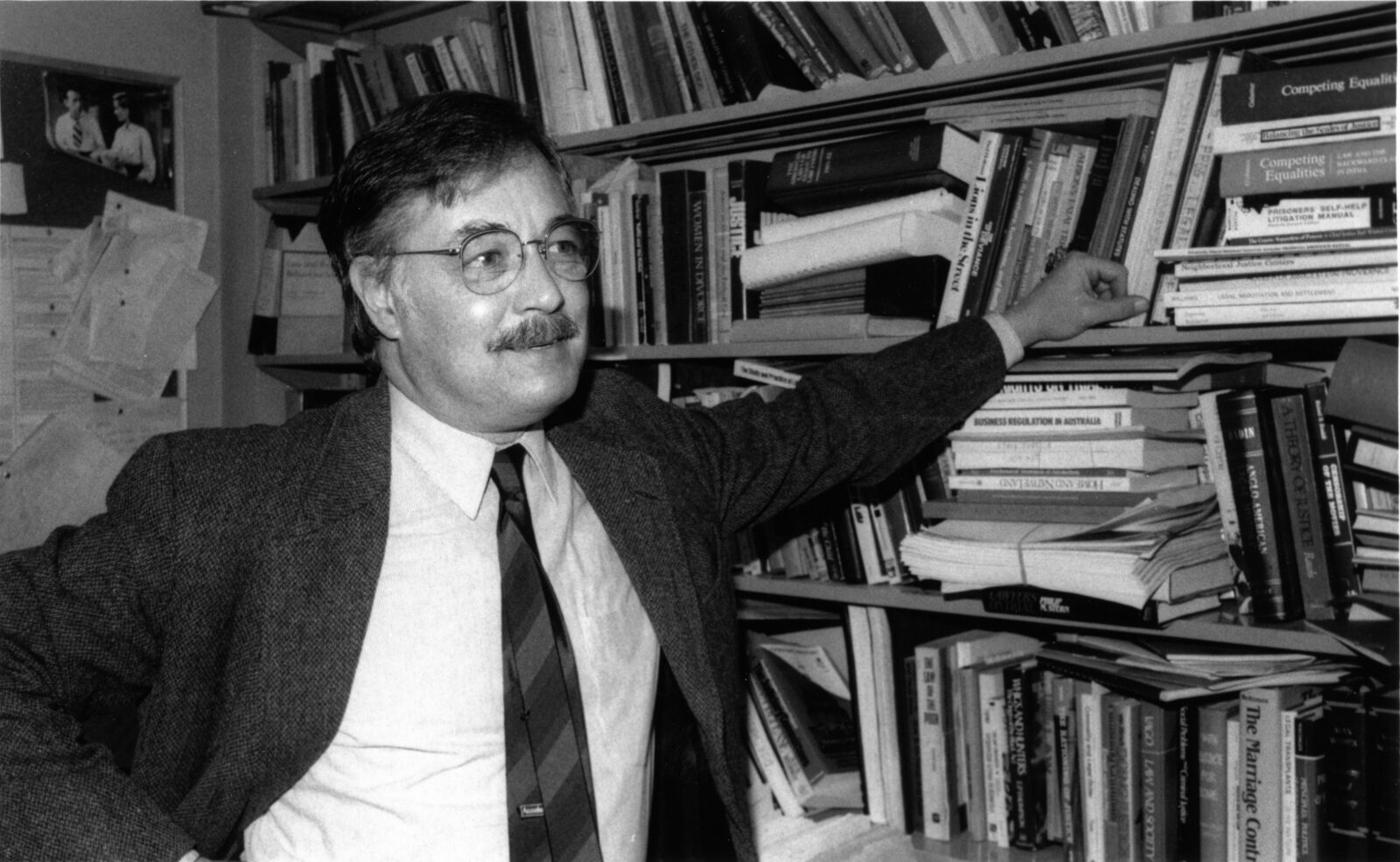
Marc Galanter, one of the most influential figures in law and society scholarship over the past half-century, died in April. The John and Rylla Bosshard Professor of Law and South Asian Studies at University of Wisconsin Law School, Galanter was the author of numerous books and articles whose influence extended well beyond the academy.
For generations of students, colleagues and friends, he was also a treasured member of the Law School community, where he taught beginning in the 1970s.
Galanter was a legendary scholar and teacher. With 6,751 citations (according to HeinOnline), he is UW Law’s most cited scholar.
“Very few law professors have had the impact that Marc has, and on so many different subjects,” said Dean Dan Tokaji.

The Law School’s digital repository includes 188 books, articles, chapters and other scholarly works Galanter published over his career, between 1959 and 2025. Many of them are about how the legal system — in the U.S. and elsewhere — actually functions in practice.
“While there are many people who embody our Law-in-Action tradition, it’s hard to think of a better exemplar than Marc,” Tokaji continued.
Galanter’s most famous and perhaps most influential article is “Why the ‘Haves’ Come Out Ahead: Speculations on the Limits of Legal Change,” published in 1974. One study found this to be the 37th most cited law review article of all time, and Galanter was among a very small number of scholars to have two in the top 100.
Beyond the numbers, Galanter’s impact has been — and long will be — felt through his relationships with so many colleagues and students throughout the years.
“On reviewing the many tributes to Marc written during his life, I’m struck by his openness to taking a personal interest in students and early-career scholars in ways that made a transformative difference to them,” said Tokaji. “This is an example that all of us might strive to emulate.”
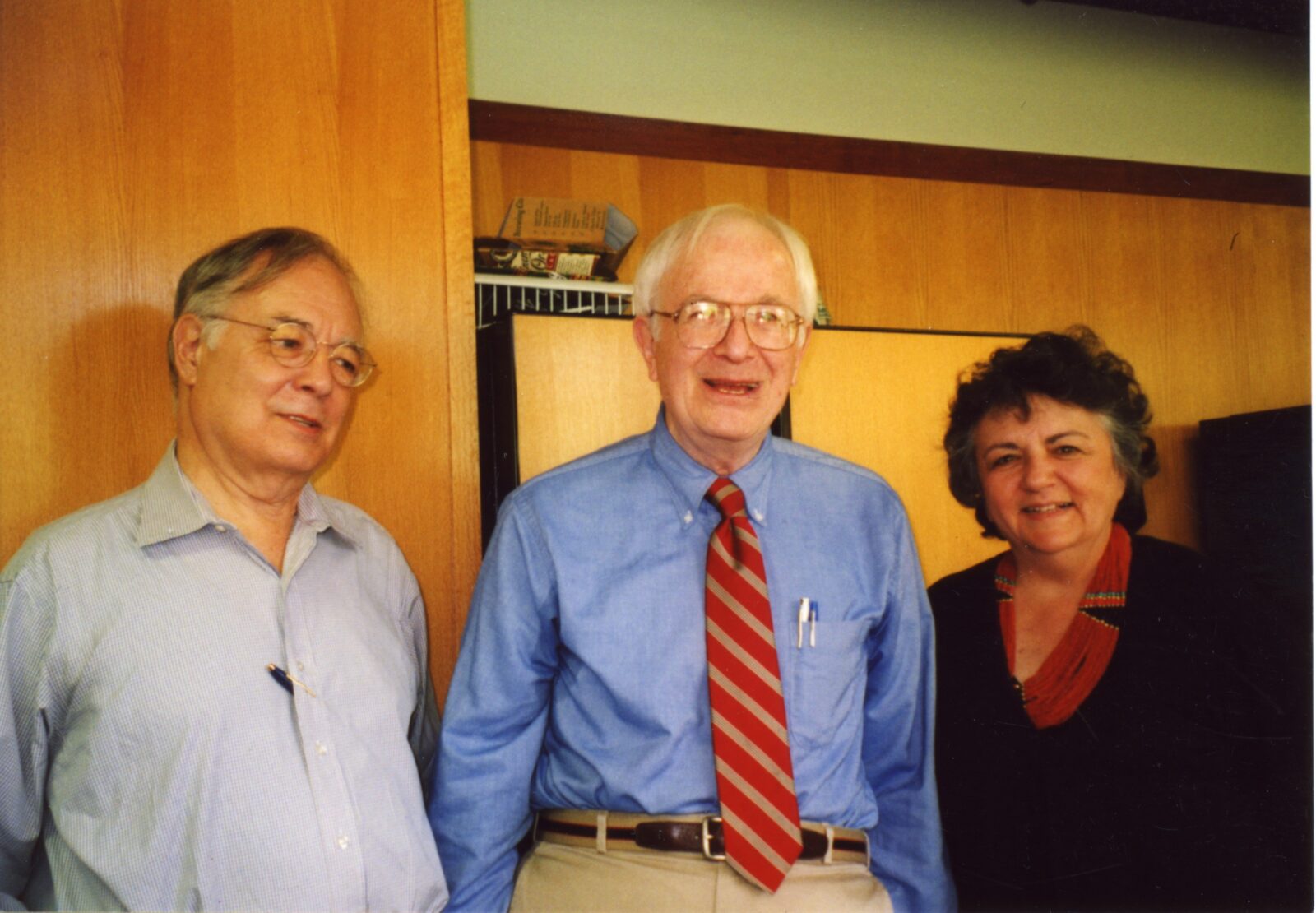
Below is an excerpt of remarks made by Professor Emeritus Stewart Macaulay in memory of Galanter on April 20:
It’s a long time ago that I first met Marc. To put it mildly, we were two recent graduates of big law schools, and we wound up at the University of Chicago as Bigelow Teaching Fellows. And that is, we weren’t students, and we weren’t faculty. It was a nice in-between and such. . . .
Marc went off to India to study the end of the kind of second-class citizenship that some of the people there had. I went to Wisconsin and studied businesspeople and contracts and their attitudes about law — quaint native customs here. And so, we did this.
Then during the 1960s, Marc was writing all kinds of interesting things, but we didn’t see each other very often except at a professional meeting, those kinds of affairs and such. But we wrote letters.
Can you remember letters? No Zoom, no email, no texts. You used a piece of paper, an envelope and a stamp, and we did things like that. It was always fun just to deal with Marc and see what he’d written and keep up with him.
Galanter’s most famous and perhaps most influential article is “Why the ‘Haves’ Come Out Ahead: Speculations on the Limits of Legal Change,” published in 1974. One study found this to be the 37th most cited law review article of all time, and Galanter was among a very small number of scholars to have two in the top 100.
Then in the early 1970s, a sociologist who had been on the Yale Law faculty was appointed dean at the State University of New York at Buffalo. He did the one thing that he did that was first-rate and such, for sure — and that was, he hired Marc. He also made me a visiting professor, and so I was there, and now I really got to know Marc.
Just from the standpoint that all you had to do was walk down the hall. … I learned a lot and was inspired to do things. But he could laugh. It wasn’t heavy; it was serious, but, you know, we were doing things and getting together.
I came back to Madison and went to work, and Marc came a couple of summers on projects and such. And he met lots of Wisconsin faculty members, and you know what had to happen — he got an offer! And he came to Madison, and that was one of the great days of my life. . . .
I’ve got to say, of course, it’s a very sad time. I’m not going to be able to hang out with him anymore. I can’t ask him questions. I can’t get a new article. And that’s just not good. And I swallow hard when I say that.
But on the other hand, I start thinking I’m very lucky. I had this guy in my life, and it changed it for the better. And I invite all of you to think about how he’s added to your life.
UW Law’s Most Cited Scholar
188 Books, Articles, Chapters and Other Works Published
6,751 Citations