In Brief fall2026
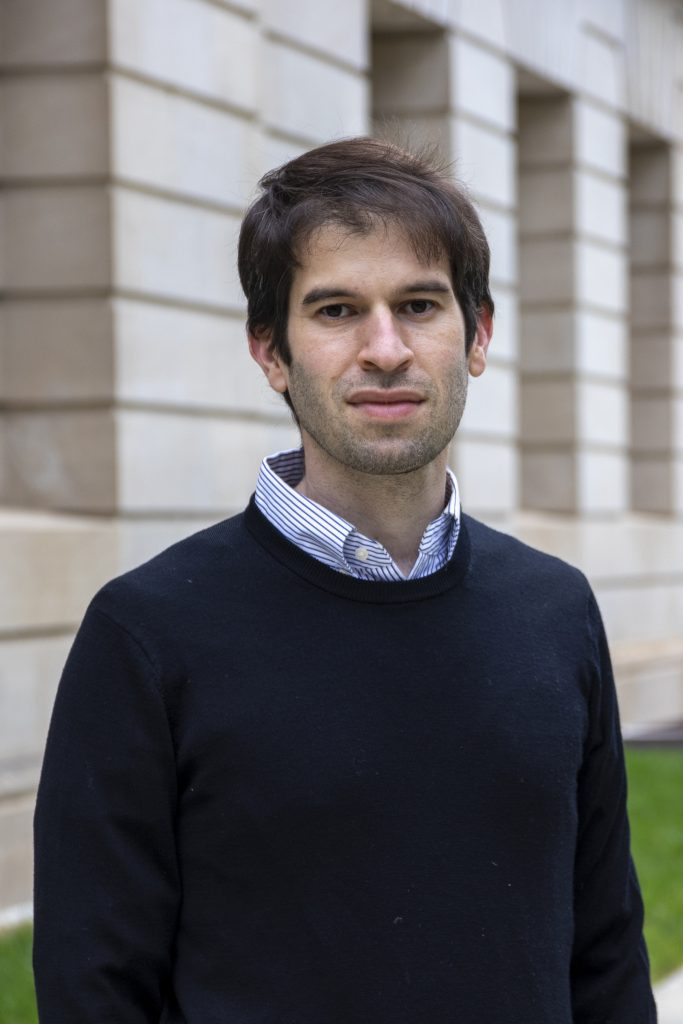
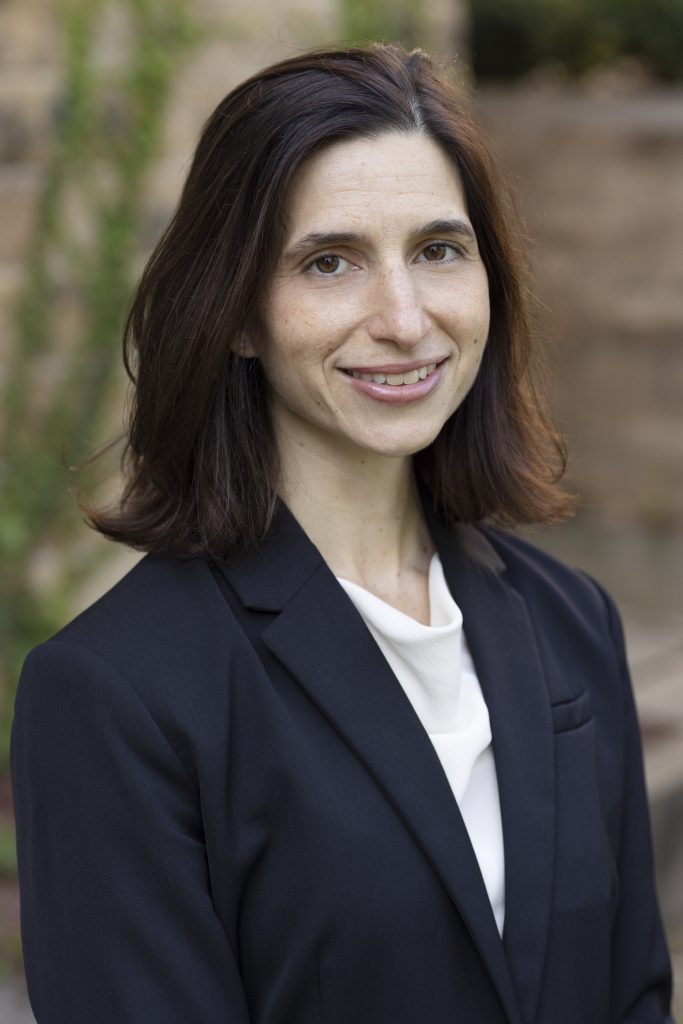
Joshua Braver, Miriam Seifter Honored With Vilas Awards
Forty-eight extraordinary members of the University of Wisconsin–Madison faculty, including UW Law‘s Joshua Braver and Miriam Seifter, were honored during the last year with awards supported by the estate of professor, U.S. Senator and UW Regent William F. Vilas.
Braver received the Vilas Faculty Early Career Investigator Awards, recognizing research and teaching excellence in faculty who are relatively early in their careers.
Seifter received the Vilas Faculty Mid-Career Investigator Awards, recognizing research and teaching excellence. Both awards provide flexible research funding for three years.
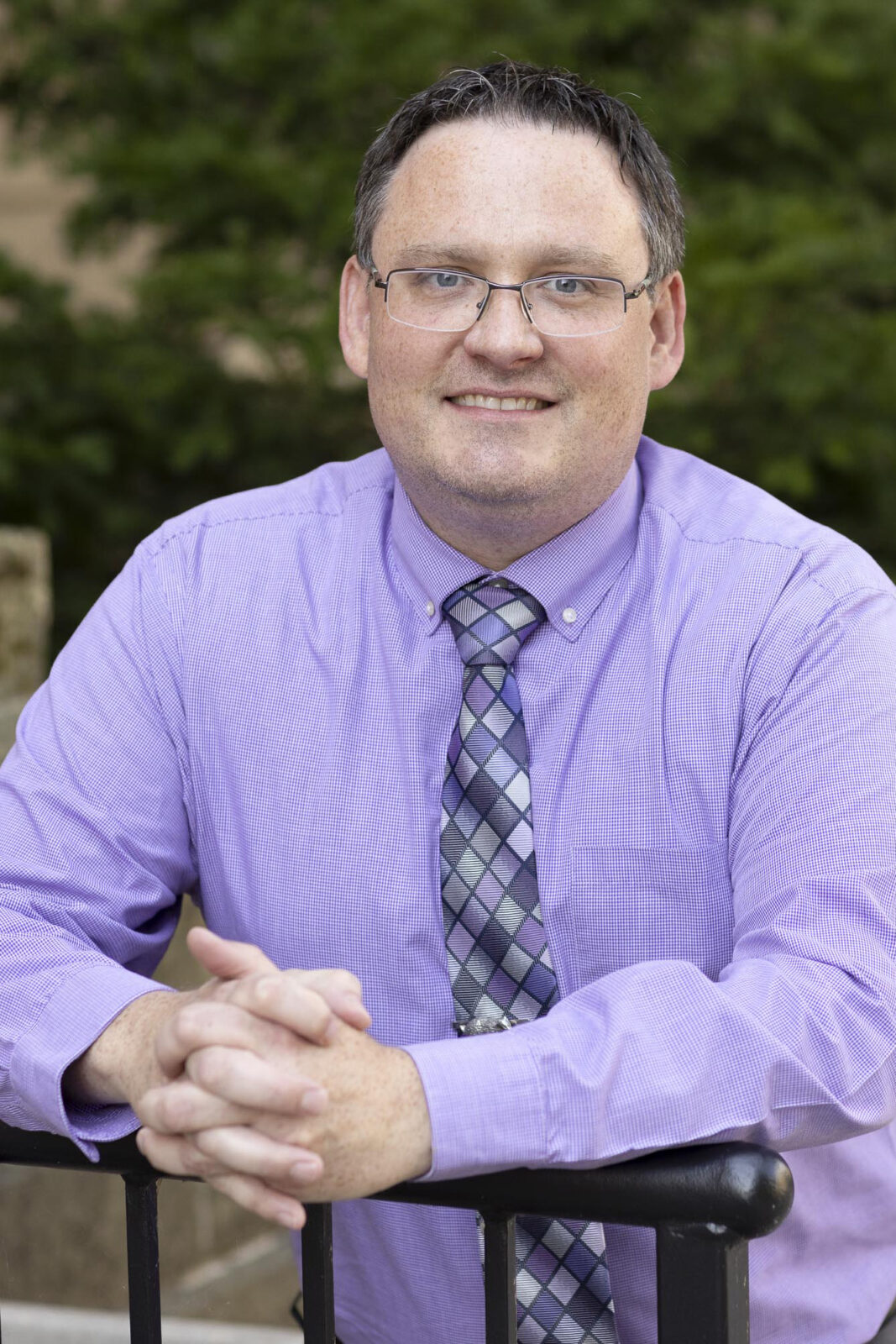
Advancing Restorative Justice
Jonathan Scharrer, director of the Restorative Justice Project, has been appointed to Wisconsin’s Commutation Advisory Board, where he is helping review petitions and provide recommendations to the governor.
A nationally recognized leader in restorative justice, Scharrer has spent years working at the intersection of policy, practice and system reform, facilitating victim-offender dialogues in serious and violent crime cases, helping design restorative justice diversion programs and contributing to proposed legislation.
His appointment reflects the growing influence of restorative justice principles in shaping Wisconsin’s approach to accountability, rehabilitation and second chances.
Through his work at UW Law, Scharrer brings the insights of practitioners, victims, impacted communities and future lawyers into conversations that help shape the state’s criminal legal system.
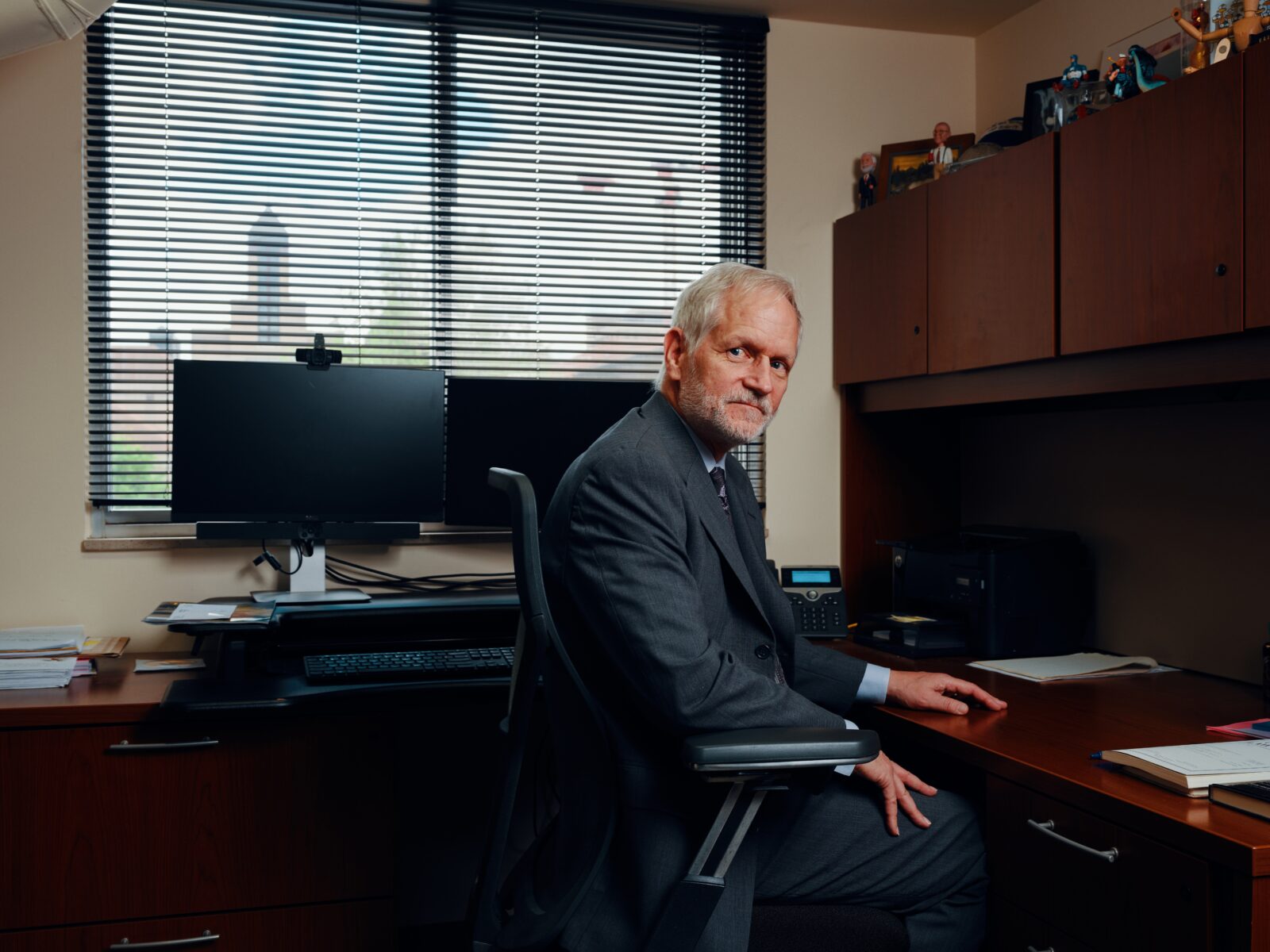
‘Serial’ Podcast Follows Greg Wiercioch for ‘The Last 12 Weeks’
“The Last 12 Weeks,” a five-episode installment of the popular “Serial” podcast, focuses on the case of a convicted serial killer who has maintained his innocence for three decades. Greg Wiercioch, a clinical professor at UW Law since 2012, and his co-counsel pursue the chance to let David Leonard Wood prove it, with the clock ticking ahead of his Texas execution date.
The podcast paints a picture of the tedious yet high-stakes work of representing people on death row, which Wiercioch has done for decades.
Notably, Wiercioch successfully argued Panetti v. Quarterman at the U.S. Supreme Court, which held that the Fifth Circuit’s standard for determining competency was unconstitutional because it did not consider whether the person on death row had a rational understanding of the reason for their execution.
Great Lakes Indigenous Law Center Awarded Reilly-Baldwin Wisconsin Idea Endowment Grant
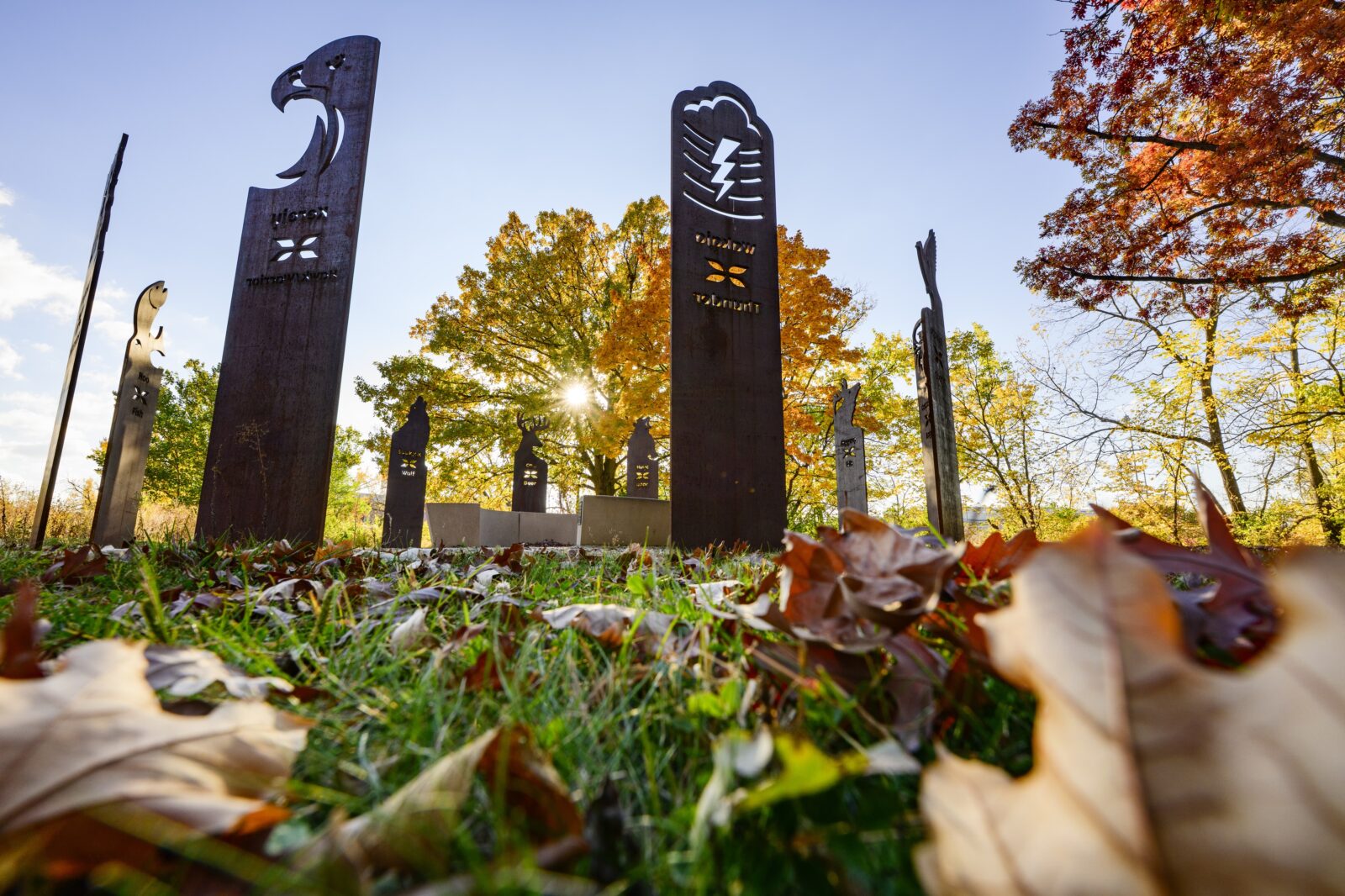
The Great Lakes Indigenous Law Center (GLILC) has received a 2026 Reilly-Baldwin Wisconsin Idea Endowment grant to help Native Nations navigate tribal land acquisitions and donations. The $116,024 one-year award for “Tribal Land Restoration Project: Addressing Legal Barriers to Acquisition in Wisconsin” will cover research and community engagement toward the effort.
“Restoring ancestral lands to Native Nations represents not only a recognition of treaty rights but also a step in reaffirming sovereignty,” said GLILC Director Amanda White Eagle. “In collaboration with interested tribes and tribal land organizations, the center will develop the first comprehensive handbook tailored to the legal landscape of tribal land acquisition and donation in Wisconsin.”
This print and online resource will provide guidance across a range of topics, including land and resource rights; governance and trust models; and funding and acquisitions.
The center is partnering with multiple organizations on the Tribal Land Restoration Project: The
Ho-Chunk Nation, Indian Land Tenure Foundation, Wilderness Society, Great Lakes Intertribal Food
Coalition and Native Nations Institute.
The endowment honors the legacy of Ira Baldwin and Ineva Reilly Baldwin and their deep com-mitment to the Wisconsin Idea, the principle that education should influence people’s lives beyond the boundaries of the classroom. All UW–Madison faculty and staff are eligible to apply for awards.
“Honoring the legacy of the Reilly-Baldwin Endowment means translating legal scholarship into
meaningful real-world application,” said White Eagle. “By addressing legal barriers to land acquisition, we support Native Nations in exercising sovereignty and long-term land stewardship. We
are equally excited that Tribal Land Restoration Fellow Nico Crocetti and six dedicated law students will gain hands-on experience driving this project forward.”

Tonya Brito, David Schwartz Teach Last Classes at UW Law
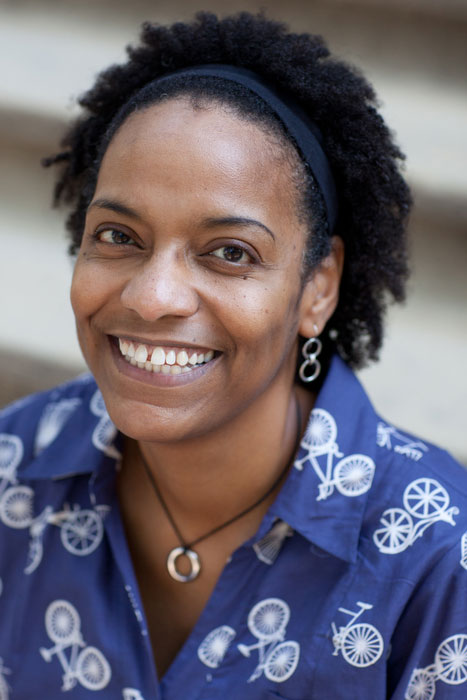
This spring, Tonya Brito (right) wrapped up 29 years of valuable work at UW Law as a “mentor to generations” and a “voice for equity,” as Dean Dan Tokaji noted. Brito was the George H. Young Professor of Law and a faculty affiliate with the Institute for Research on Poverty at the University of Wisconsin.
David Schwartz also retired from teaching after over 25 years of distinguished service at UW Law. Schwartz will continue to serve as editor-in-chief of the Journal of American Constitutional History, a quarterly online publication he founded in 2023.
Ion Meyn to Serve on ABA Justice Section Council
Ion Meyn has been elected to serve as a member of the American Bar Association’s Criminal Justice Section Council, which has over 20,000 members.
The council is the section’s principal governing body, helping to establish its priorities and guide its programs, policy initiatives, publications and committees, all of which contribute to national conversations about criminal justice policy and procedural reform.
Franciska Coleman Receives Exceptional Service Support Award
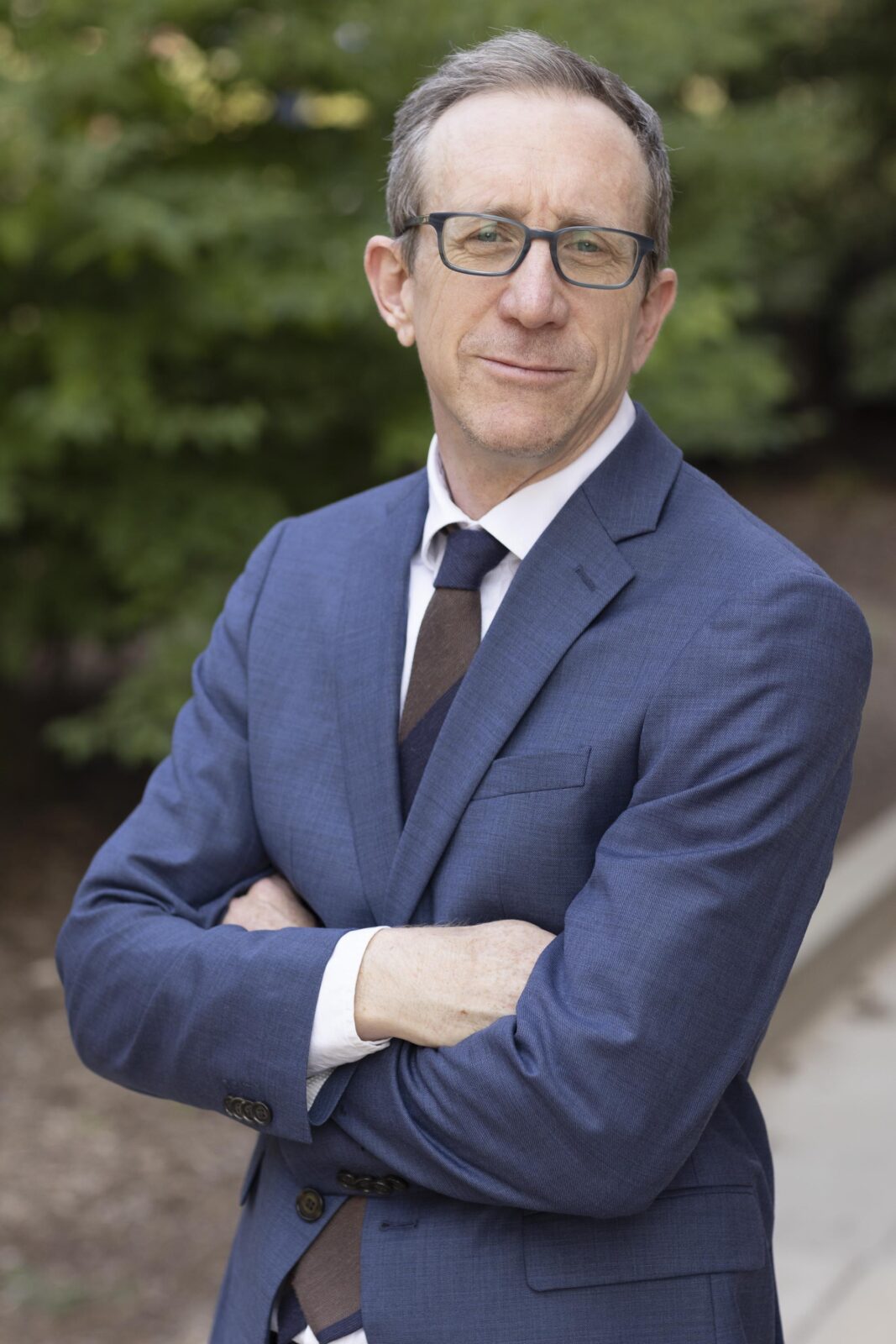
Franciska Coleman received an Exceptional Service Support Award in connection with her excellent work not only on campus and in her public engagement, but also through her national leadership as founding chair of the New Lutie Committee, a national initiative focused on mentoring Black women entering academia, and as chair and chair-elect, respectively, of the AALS Constitutional Law and Election Law sections.


Center for Patient Partnerships Celebrates 25 Years
The Center for Patient Partnerships (CPP) is one of the nation’s oldest medical-legal partnerships. Founded by Martha “Meg” Gaines, a former UW Law professor, and colleagues, CPP celebrates 25 years of positive community impact.
Students in the Health Justice Clinic represent clients facing insurance denials, difficulty accessing disability benefits and other legal barriers to health.
They gain crucial interdisciplinary skills by collaborating with peers in pharmacy, genetic counseling and social work to solve problems for clients.
Students in the clinic win more than half of the insurance appeals they file, ensuring access to medically necessary care and saving patients thousands of dollars in medical expenses.
Award-Winning Advocacy
The Immigrant Justice Center (IJC), which provides free legal services, education and advocacy for the state’s underserved immigrant communities, received the 2026 Gordon Sinykin Award of Excellence from the Wisconsin Bar Foundation.
Students work alongside Director Erin Barbato (right) and IJC staff to help individuals and families navigate complex immigration challenges, from humanitarian relief and detention matters to family- and employment-based immigration pathways.
The award recognizes the center’s longstanding commitment to expanding access to justice, promoting public understanding of the law and advancing the Wisconsin Idea by bringing legal knowledge and service directly to communities.


Supporting Innovation From Idea to Impact
The Law & Entrepreneurship Clinic is helping fuel the next generation of innovators by connecting legal education with Wisconsin’s thriving entrepreneurial ecosystem. As a key partner in University of Wisconsin–Madison’s new Wisconsin Entrepreneurship Hub, the clinic gives law students the opportunity to work directly with founders and startup teams from across the university, helping transform ideas and research into viable businesses.
Through hands-on representation, students advise entrepreneurs on the legal issues that accompany innovation while collaborating with inventors, researchers and business leaders from a wide range of disciplines.
The clinic also extends its impact beyond campus through a partnership with the Wisconsin Economic Development Corporation and the State Small Business Credit Initiative. Working alongside the UW Office of Business and Entrepreneurship, students and faculty provide legal support to small businesses and emerging companies throughout Wisconsin, helping entrepreneurs navigate critical business challenges and access opportunities for growth.
Together, these partnerships allow students to experience innovation in action while supporting the economic vitality of communities across the state.
The clinic’s work also includes supporting student-athletes navigating the evolving landscape of Name, Image and Likeness (NIL). Subject to NCAA guidance, applicable NIL policies and state law, student-athletes from anywhere in Wisconsin can apply to the clinic for review of their NIL contracts, giving them access to legal guidance as they navigate these emerging opportunities.

Activities and Scholarly Roundup
Several members of the Law Library team are serving in leadership roles for the American Association of Law Libraries in 2026: Liz Manriquez is past chair of the Legal Information Services to the Public Special Interest Section, Kris Turner is chair of the Academic Law Libraries Special Interest Section and Jenny Zook is the founder and continuing chair of the Caregivers Caucus.
The Wisconsin Supreme Court appointed Ryan Poe-Gavlinski to the Board of Bar Examiners in June. Poe-Gavlinski will serve a three-year term.
Professor Emeritus Keith Findley contributed the chapter “From DNA to Shaken Baby Syndrome: Discovering Innocence in Middle America” in the book “Champions of Innocence: Inside the Fight Against Wrongful Convictions” (Saul Kassin ed., 2026), published in April.
Emerita Professor Alta Charo was appointed to the board of a new program at the National Academy of Sciences, Engineering and Medicine in May. The Life Sciences and Biotechnology Program Area explores research from the molecular to the ecosystem level, emphasizing the design and engineering of biological systems.