 The evolution away from democracy toward authoritarianism is visible in virtually every corner of the world. Also becoming visible are trends in the opposite direction as resistance grows to these authoritarian efforts.
Lawyers and Democratic Decline (LADD) is a collaborative research project that brings together scholars studying the role of lawyers in countries experiencing democratic decline or already in the throes of authoritarianism. Lawyers of all stripes play a central role in these processes as well as in the institutions of authoritarian regimes. Their training and experience provide them with tools either to resist or facilitate the transition to authoritarianism.
Making sense of this process requires input from scholars across the globe who share Wisconsin’s Law-in-Action approach, despite having a variety of disciplinary homes.
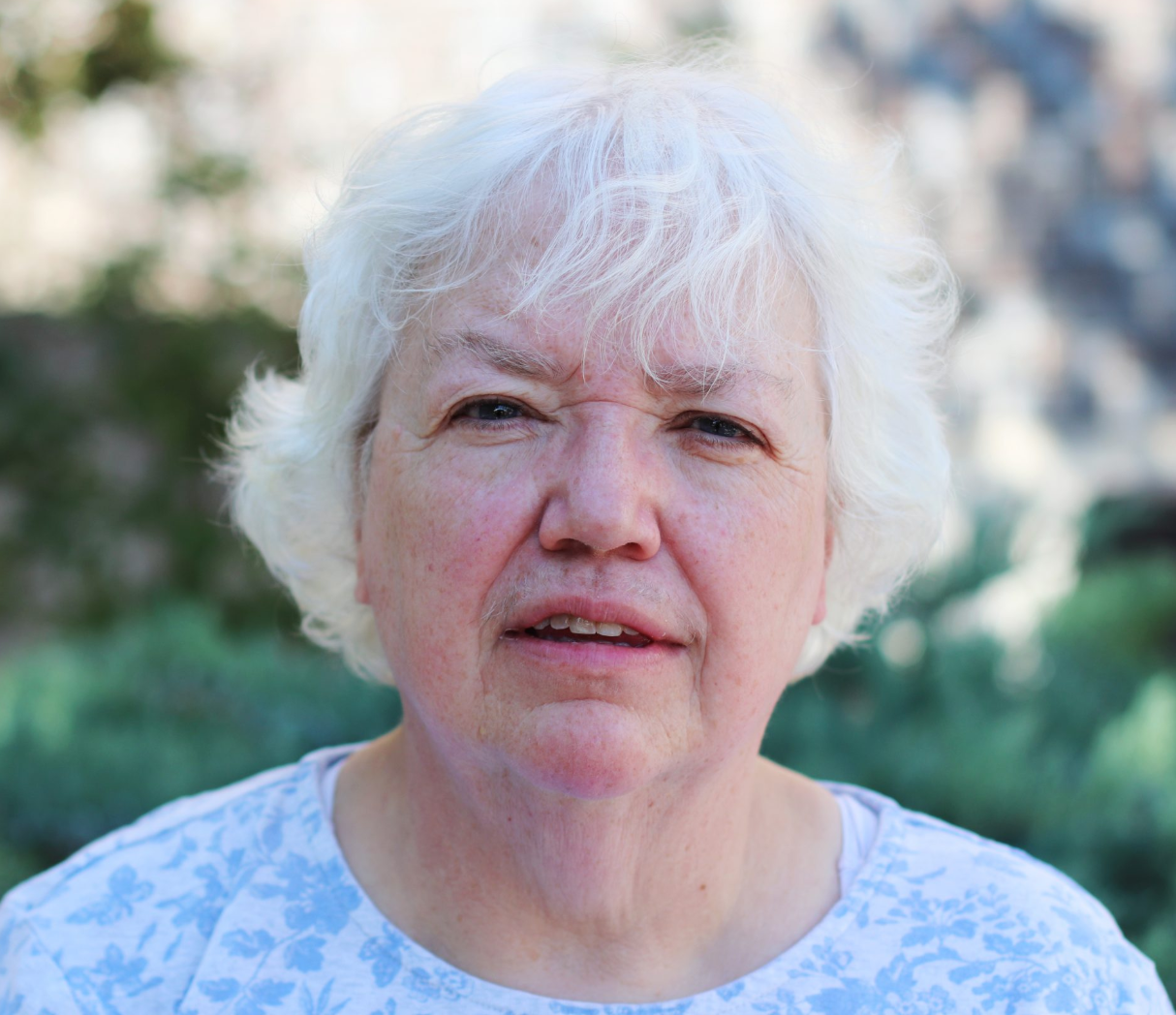
To that end, LADD has created a community that includes scholars who study the experience of the United States, Brazil, China, Egypt, Hungary, India, Poland, Russia and Ukraine, noted Kathryn Hendley, director of LADD and Roman Z. Livshits & Theodore W. Brazeau Professor of Law and Political Science at University of Wisconsin Law School, which is the academic host of LADD.
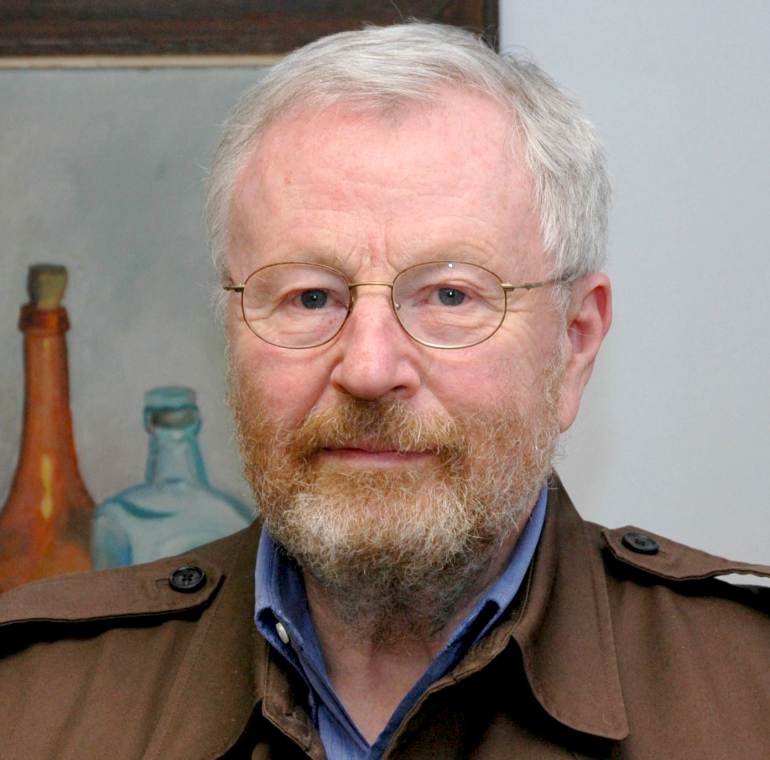
The impetus for the project came from UW’s Voss-Bascom Professor of Law and Dean of International Studies Emeritus David Trubek.
David was studying how democracies unravel. He invited Hendley, whose research focuses on legal and economic reform in the former Soviet Union, to write a chapter to a forthcoming edited volume on backsliding democracies about the resistance of Russian lawyers. She contributed the chapter, but her conclusion was more complicated: Russian lawyers weren’t resisters in the traditional sense of agitating for systemic change.
Instead, they worked within the system to defend and free those targeted by the Kremlin by taking advantage of mistakes made by police.
“ Once we saw the need for LADD, my wife, UW Clinical Professor Emerita Louise Trubek, and I approached Professor Hendley about building the project.” – David Trubek
LADD emerged in mid-2023 as a spin-off from another project called Global Resistance to Authoritarian Diffusion (GRAD), which was a general survey of all forms of resistance. GRAD is based at Transnational Law Institute at the King’s College London and supported by a consortium of institutions, including the FGV Law School in São Paulo and UW Law School.
“GRAD had a significant amount of material on resistance by lawyers, and looking it over, we became convinced that there could and should be a resistance project focused exclusively on lawyers,” David explained.
He gathered a group at the Harvard Law School Center on the Legal Profession for a one-day workshop, where researchers shared stories of legal professionals navigating fragile democracies in the U.S., China, Brazil and Russia.
David asked Hendley to lead the project because she was “the senior person at UW involved in resistance studies,” having played a role in GRAD and the study of lawyers in Russia, he explained.
“Once we saw the need for LADD, my wife, UW Clinical Professor Emerita Louise Trubek, and I approached Professor Hendley about building the project,” David explained.
Hendley agreed, and the Trubeks pledged $140,000, payable over two years, to get it started.
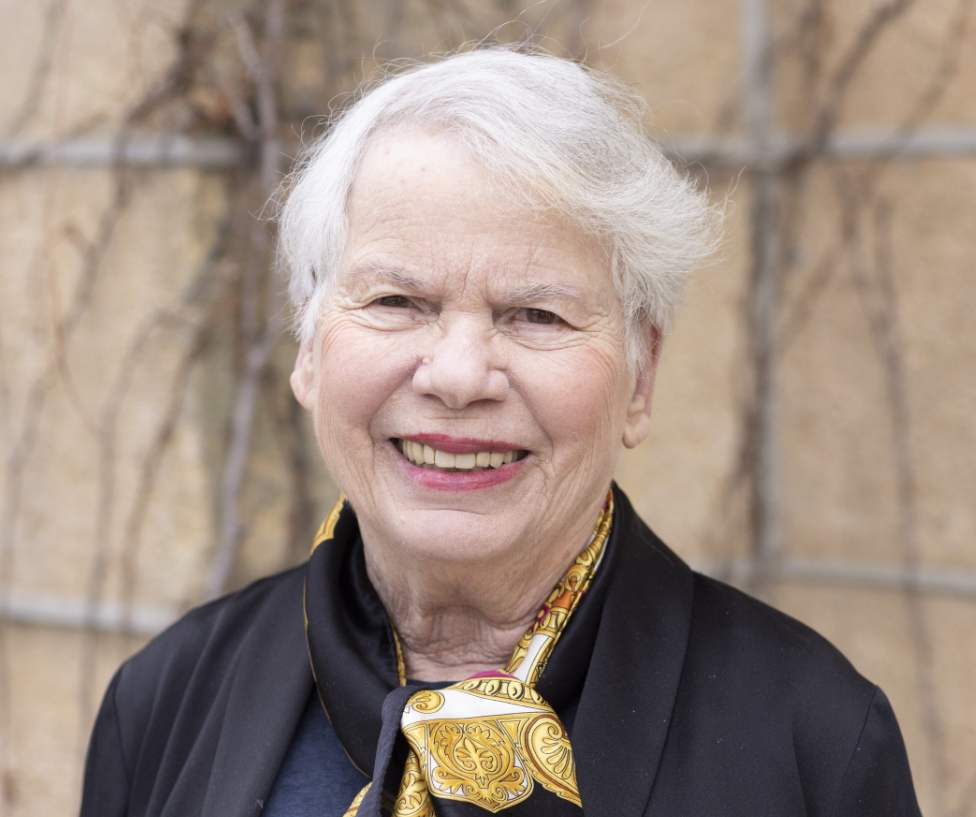
“It would launch research on lawyer resistance to authoritarianism, a growing concern, and it would help strengthen International Legal Studies… this kind of support will be all the more necessary if threatened cuts to international programs materialize.” – Louise Trubek
For the Trubeks, the gift had two goals.
“It would launch research on lawyer resistance to authoritarianism, a growing concern, and it would help strengthen International Legal Studies, which David had founded when serving as dean of International Studies,” Louise said. “This kind of support will be all the more necessary if threatened cuts to international programs materialize.”
LADD has since become a global network of scholars investigating the role of lawyers in resisting — and at times enabling — authoritarianism in contexts of democratic backsliding. Through collaborative research, comparative analysis and public events, LADD explores how legal professionals navigate repression, uphold democratic norms and negotiate their professional identity in times of political crisis.
Today, LADD hosts a vibrant website that tracks threats to the legal profession worldwide and gathers cutting-edge scholarship on democratic decline. It has also convened international symposia, including a gathering at Indiana University in early 2025 that was co-sponsored by the Indiana Journal of Global Legal Studies, and a forthcoming conference at UW Law in 2026 that will be co-sponsored by the Wisconsin International Law Journal.
Shaping the Literature
A literature has emerged about the reasons why some democratic systems have been devolving into authoritarianism, said Hendley.
Many of these studies focus on the tactics of populist leaders in their electoral campaigns. Other scholars explored the use of legal tools in this process, such as amendments to the constitution, reforms to courts and other legislative changes, she explained.
“Although the training of lawyers makes them key players in such developments, they had not been studied systematically,” she added. “LADD aims to bring lawyers into the picture.”
“In almost all backsliding or authoritarian countries, judges have found themselves on the front lines. They are called upon to resolve cases in which policies aimed at consolidating authoritarianism are challenged. Sometimes they are attacked personally. Studying their responses and comparing them across geographic borders promises fruitful results.” – Kathryn Hendley
LADD encourages scholarship on all lawyer roles, looking at all forms of action and inaction and at all types of lawyers — from criminal defense lawyers to prosecutors and corporate lawyers to human rights defenders. The goal is to identify factors that influence their behavior and to map patterns that are common across geographic borders and/or political systems.
It’s tempting, she said, to limit the investigation to the activist lawyers who are working to resist authoritarian-leaning policies.
“But in many countries, these constitute a relatively small percentage of all lawyers,” she said.
 In countries undergoing transition, lawyers are engaged one way or the other, though many opt to sit on the sidelines.
“We want to understand what encourages them to sit on the fence,” said Hendley. “And we’re also interested in the lawyers who are helping implement policies that undermine democracy. These often include prosecutors and government lawyers who share the political philosophy of the leaders.”
Recently, LADD added judges as a focus of study. The change wasn’t much of a leap, said Hendley.
“In almost all backsliding or authoritarian countries, judges have found themselves on the front lines,” she explained. “They are called upon to resolve cases in which policies aimed at consolidating authoritarianism are challenged. Sometimes they are attacked personally. Studying their responses and comparing them across geographic borders promises fruitful results.”
The change was made at the suggestion of Richard Abel, Michael J. Connell Distinguished Professor of Law Emeritus and Distinguished Research Professor at University of California, Los Angeles School of Law and an active participant in LADD.
“We’re hoping to stimulate research on the role of lawyers in societies in which democracy is under fire and in societies where authoritarianism is already entrenched.” – Kathryn Hendley
In 2024 and 2025, Abel wrote a series of books focused on chronicling the Trump administration’s actions and policies and their impact on democratic principles. His scholarship also analyzed the movements and community efforts that arose in resistance to these policy changes and weighed their success.
“Courts played a central role in that struggle,” he said. “I found extraordinarily strong correlations (p = 0.00001) between whether federal judges were appointed by Democratic or Republican presidents and whether they upheld or struck down the Trump administration’s actions, in cases involving elections, immigration, the COVID-19 pandemic and federal prosecutions of Trump himself.”
 By contrast, Abel found no significant correlations in cases challenging the 2020 election after the votes had been counted. He has continued to follow the role of courts in challenges to the second Trump administration.
Hendley hopes to continue to build the content of the LADD website to attract more scholars to affiliate themselves with the project.
“LADD is designed to transcend the differences among law schools and related social science departments,” she explained. “We hope all those interested in our agenda will join us.”
And they will continue to organize events that highlight the research of LADD scholars, she said.
“We’re hoping to stimulate research on the role of lawyers in societies in which democracy is under fire and in societies where authoritarianism is already entrenched,” Hendley explained.
That includes law students.
“As they think about topics for their law review notes, we hope LADD-related ideas will rise to the top of the list,” she said.
 At its core, LADD hopes to make the scholarly community and general public more aware of the critical role played by lawyers in turbulent political environments.
“We’re studying the role lawyers and judges play when democracy is challenged,” Hendley added. “Regardless of a scholar’s geographic specialty, there is a tendency to generalize — to assume that lawyers and judges elsewhere engage in similar behavior when faced by similar challenges. Our work to date has illustrated that their responses are different — that the historical, institutional and cultural context matters.”
By Kassandra Tuten | Illustrations by Mike Bass