Bringing the Debate Into the 21st Century
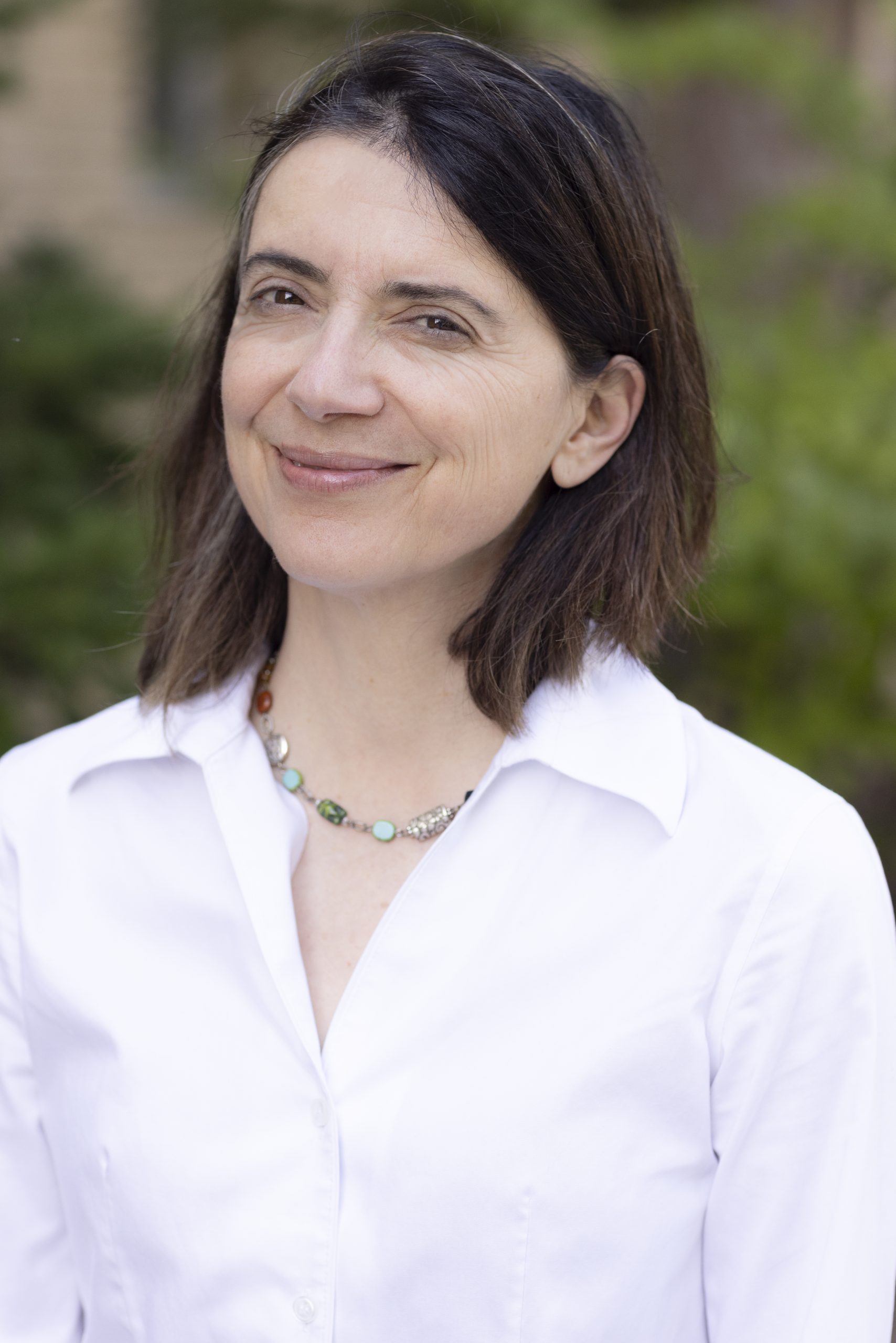
Does Latin America have a distinct tradition of international law? In the early 20th Century, a group of scholars answered this question with a resounding yes.
“Their aim was to present the region as an equal partner to Europe and the United States in international relations,” explained Evjue-Bascom Professor of Law Alexandra Huneeus.
Latin America has been a pivotal site for influential and innovative developments in international law since the colonial era. Today, as the global order shifts, scholars and legal practitioners are grappling with the current restructuring and potential transformation of international relations — and what this means for international law in the region.
A volume recently co-edited by Huneeus, Alejandro Chehtman (dean and professor of law, Universidad Torcuato Di Tella, Argentina, and executive director of the Latin American Society for International Law) and Sergio Puig (chair in International Economic Law at the European University Institute and Evo DeConcini Professor of Law at The University of Arizona) brings this debate into the 21st Century. In September, the volume received the 2025 American Branch of the International Law Association Edited Volume Book of the Year Award.
The collection of essays brings together a group of highly regarded scholars to present a broad survey of Latin America’s approaches and contributions, historically and presently, to the field of international law.
“The volume collects the most creative and influential voices writing about international law in the region, showcasing the region’s contributions to international law and the role of international law in shaping the region’s law and politics,” explained Huneeus. “We began working on the volume in the depths of the COVID-19 pandemic, and it is wonderful to have it out, and to have it receive the International Law Association (U.S. chapter) award for Best Edited Volume.”
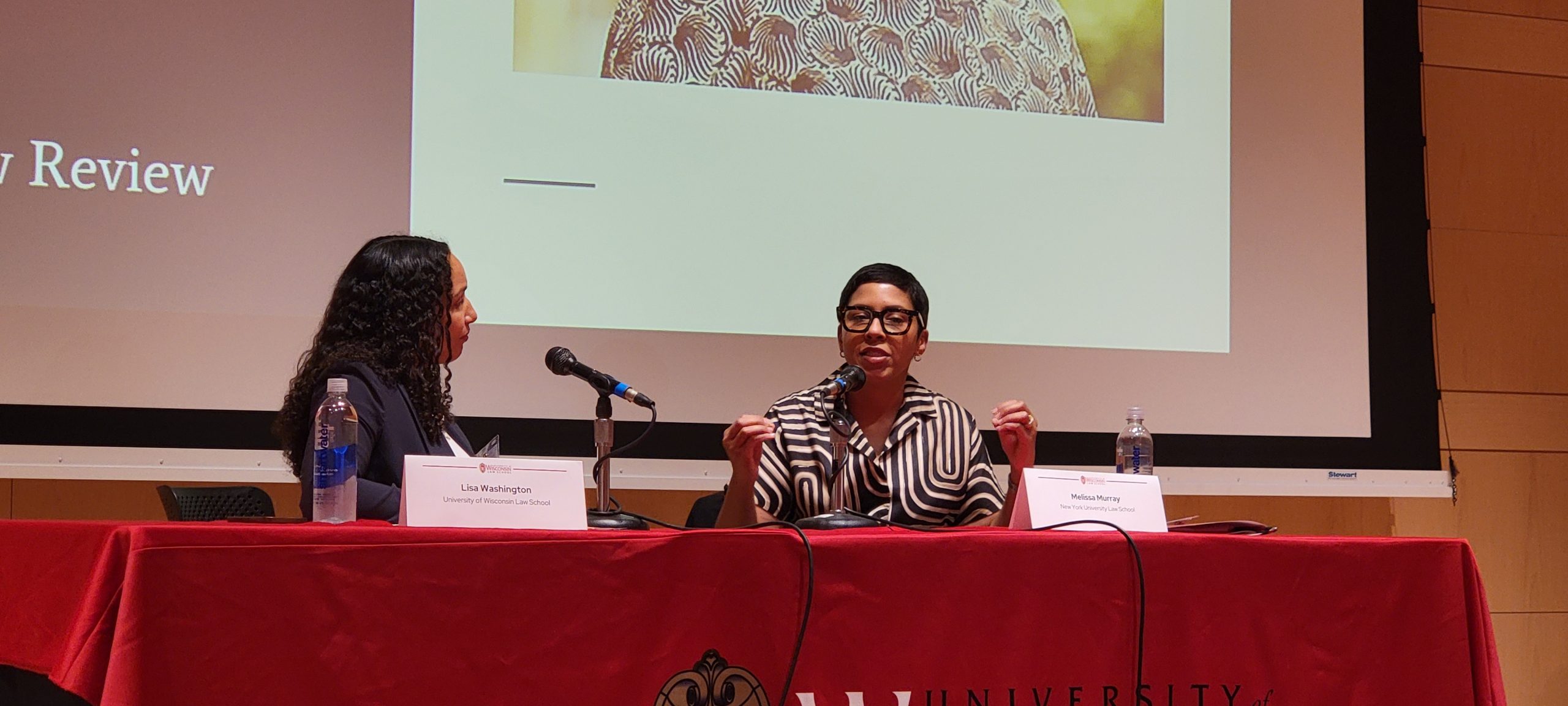
Discussing The Shadow Carceral State
Professor Lisa Washington (above, left), alongside Professor Renagh O’Leary, co-chaired the 2025 Wisconsin Law Review Symposium, The Shadow Carceral State. The symposium touched on a wide variety of subfields and practice areas, including policing, immigration, education and family law. Professor Melissa Murray (above, right), New York University School of Law, gave the keynote.
Scholarly Roundup
- David Schwartz‘s “Mr. Madison’s War on the General Welfare Clause” was cited in the majority opinion in Medina v. Planned Parenthood.
- Torey Dolan filed an amicus brief on behalf of the Navajo Nation in Louisiana v. Callais on the constitutionality of race-conscious remedies under section 2 of the Voting Rights Act.
- “Integrating Tribal Law into the Legal Research and Writing Curriculum,” co-authored by Bonnie Shucha, received two awards from the American Association of Law Libraries: the Outstanding Article – Long Form Award and the Paul Gatz RIPS-SIS Publication Award.
- Kristopher Turner wrote “Law Library Partnerships” in “Law Librarian Practice: Challenges and Opportunities in Law Firm, Government, and Academic Law Libraries,” published by Bloomsbury Publishing in August 2025.
- Bill Clune‘s new book, “Direito e Políticas Públicas nos escritos de William Clune,” includes a collection of his writings translated into Portuguese, alongside new scholarship from Brazilian legal scholar Maria Paula Dallari Bucci.
Seifter Honored with Romnes Fellowship
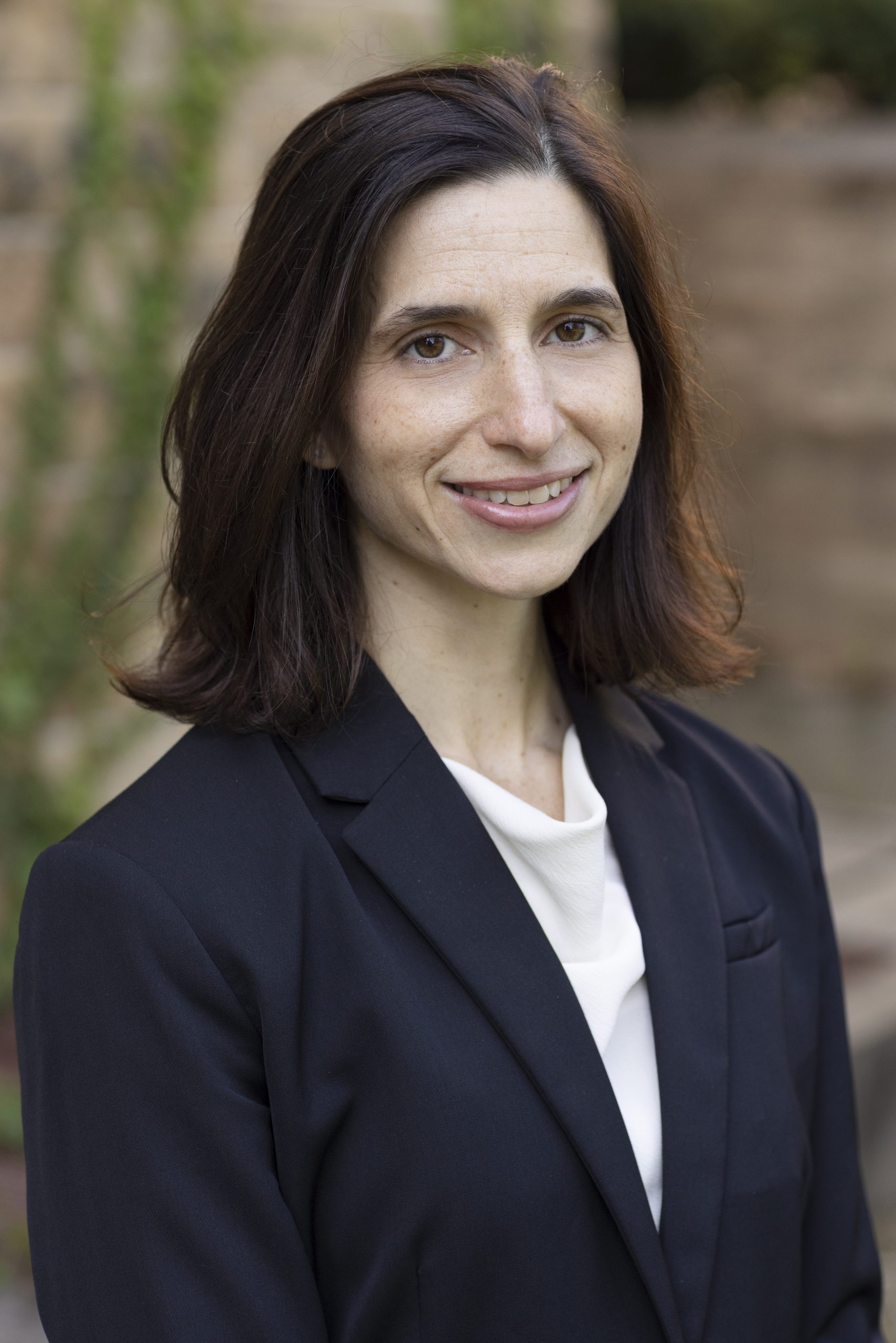
Miriam Seifter was among 11 University of Wisconsin–Madison faculty honored with the H.I. Romnes Fellowship from the Office of the Vice Chancellor for Research for 2025-26. The Fellowship recognizes faculty with exceptional research contributions within their first six years from promotion to a tenured position. The award is named in recognition of the late WARF trustees president H.I. Romnes and comes with $60,000 that may be spent over five years.
Seifter is the Richard E. Johnson-Bascom Professor of Law and co-director of the State Democracy Research Initiative. She studies state and federal public law, with a focus on challenges affecting democracy at the state level.
Clinical Impact
During the Last Academic Year, Our Clinical Faculty:
- 184 Enrolled Students
- 1,179 Credits Taught
- 49,518 Hours of Legal Work
If that legal work were billed at $125/hour, our clinical program would have generated $6,189,750.
Constitution Day Event Hosted by CSLD
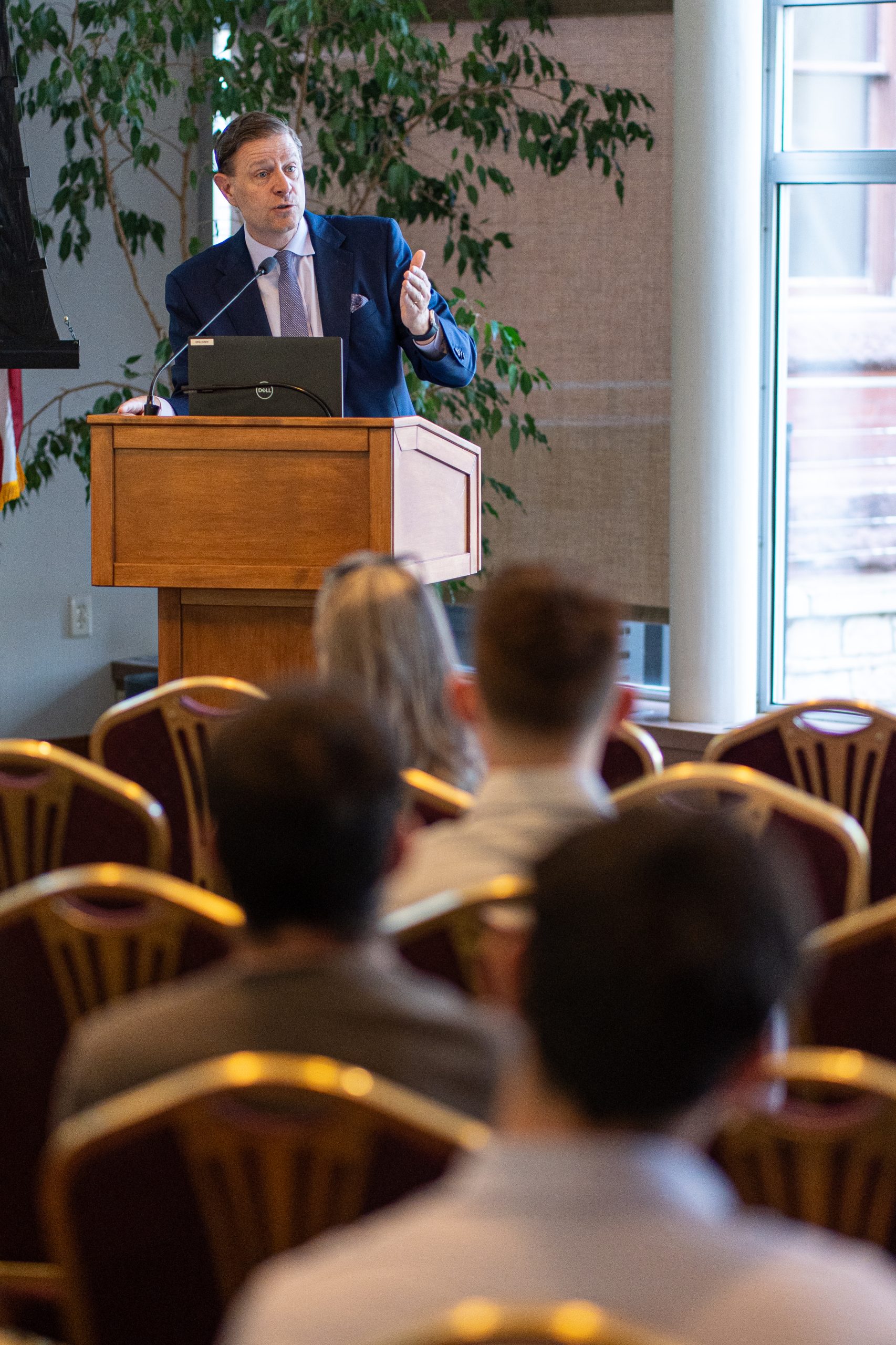
In September, the Center for the Study of Liberal Democracy (CSLD) hosted a special Constitution Day lecture and reception featuring Professor Lee Strang (left), director of The Ohio State University Chase Center for Civics, Culture & Society.
The event, which took place at the Pyle Center in Madison and virtually, explored “Can Originalism ‘Get With the Times?’” This event was sponsored by University of Wisconsin Law School, the CSLD, the College of Letters and Science, The Jack Miller Center and the Tommy G. Thompson Center.